Learning
PSLE Science
Interactive notes for every PSLE Science theme — try the science, then own the keywords.
42 interactive notes · 5 themes · Free
Diversity
7 notes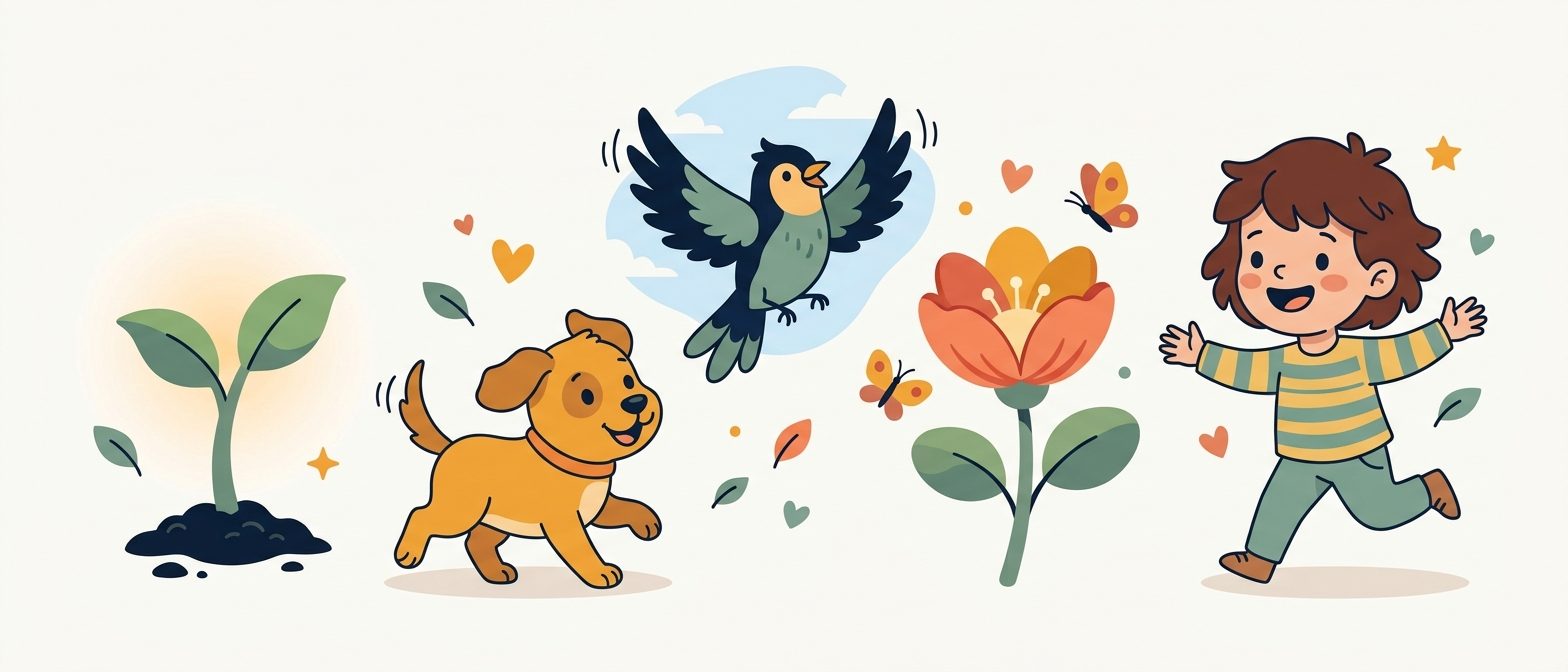 Diversity
Characteristics of Living Things
The four things every living thing does — grow, need air, food and water, reproduce, and respond to change — and how to tell living from non-living.
 Diversity
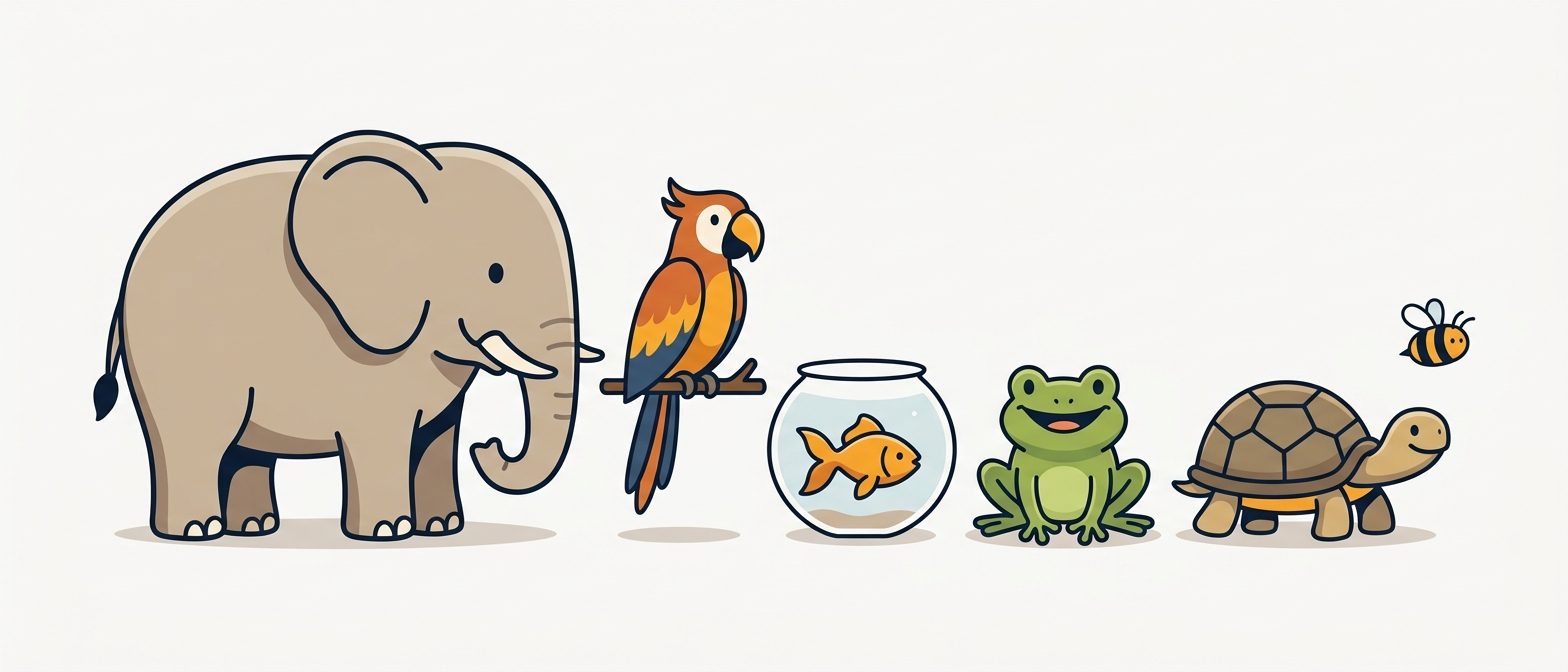
Classification of Animals
How animals are sorted into mammals, birds, fish, amphibians, reptiles and insects by their body covering, breathing and young — including the tricky exceptions.
 Diversity
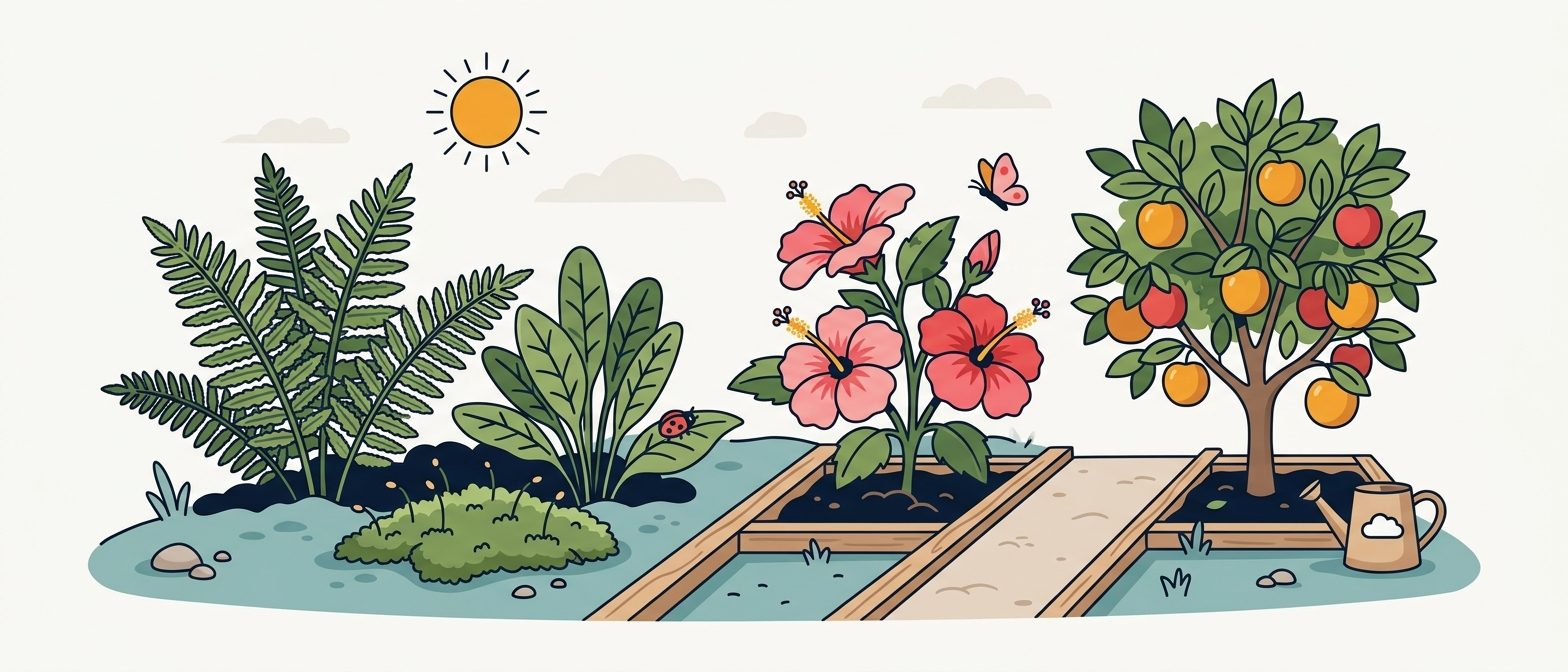
Classification of Plants
The two main plant groups — flowering plants that make seeds, and non-flowering plants that spread by spores — and how to tell them apart.
 Diversity
Fungi
Why mushrooms, mould and yeast are not plants, how they feed and break down dead matter, and which fungi are useful or harmful.
 Diversity
Bacteria
Microscopic living things found almost everywhere: the helpful kinds behind yogurt and decay, and the harmful kinds that cause disease.
 Diversity
Properties of Materials
The five properties that decide what a material is used for — whether it floats, absorbs water, bends, holds weight, or lets light through.
 Diversity
Types of Materials
Common materials like wood, metal, glass, plastic and fabric — which are natural or man-made, and why each suits a particular job.
Cycles
11 notes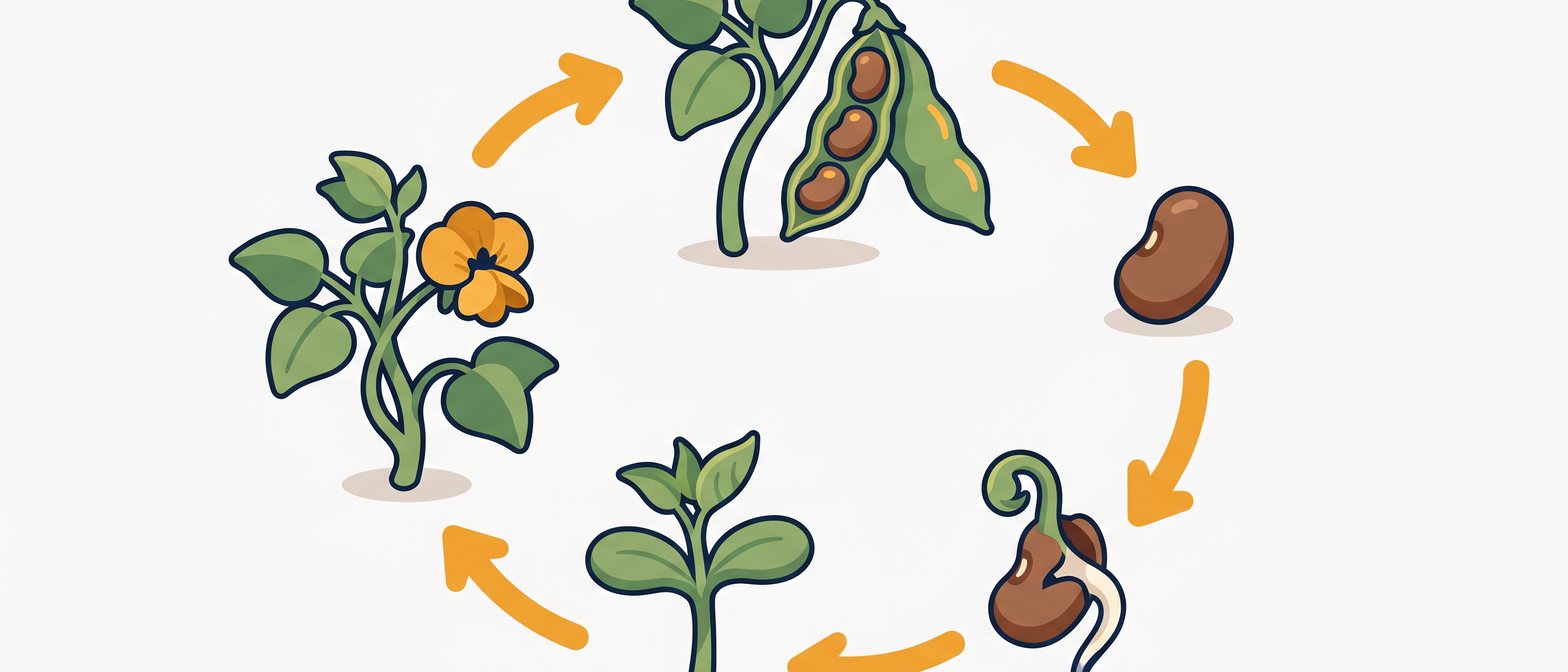 Cycles
Life Cycle of Plants
The repeating stages of a plant's life — seed, germination, seedling, adult, flower and fruit — and why the cycle begins again.
 Cycles
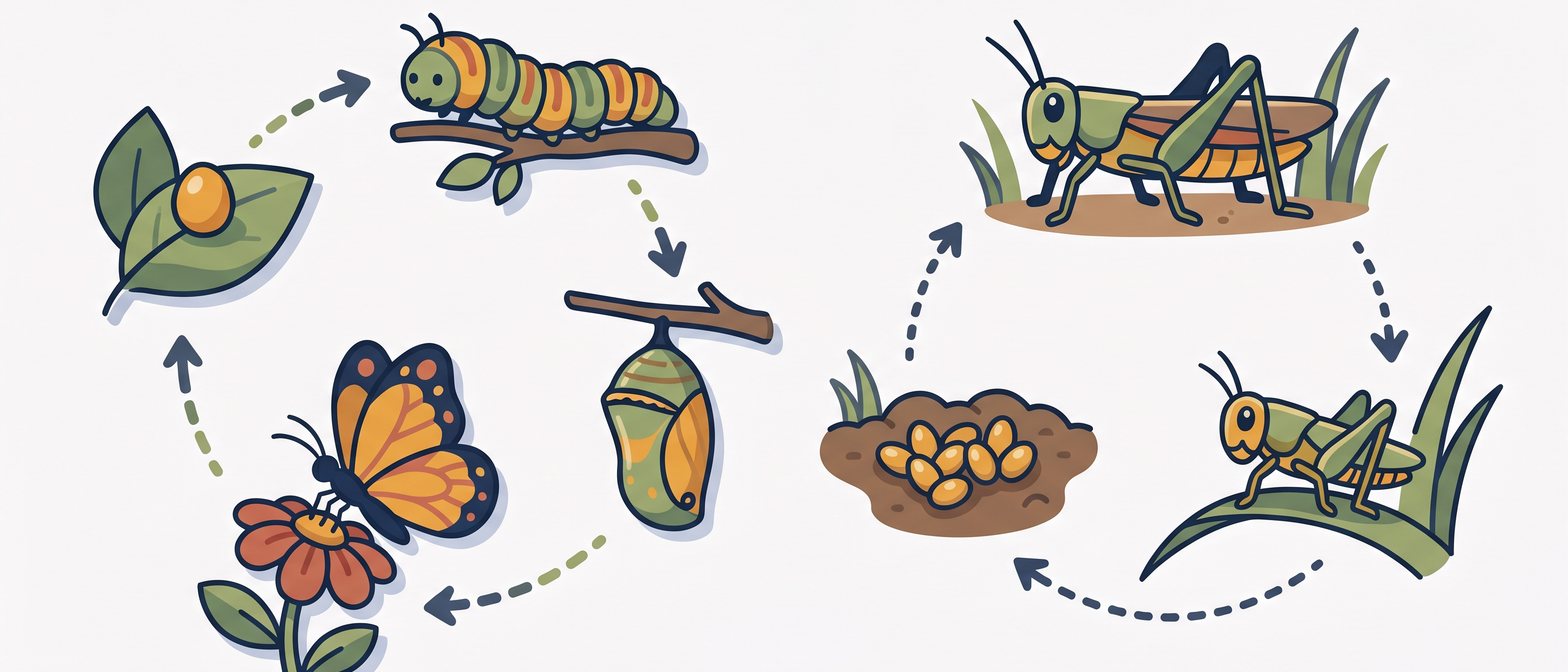
Life Cycle of Animals
The stages animals pass through as they grow up, and the difference between complete metamorphosis, incomplete metamorphosis and no metamorphosis.
 Cycles
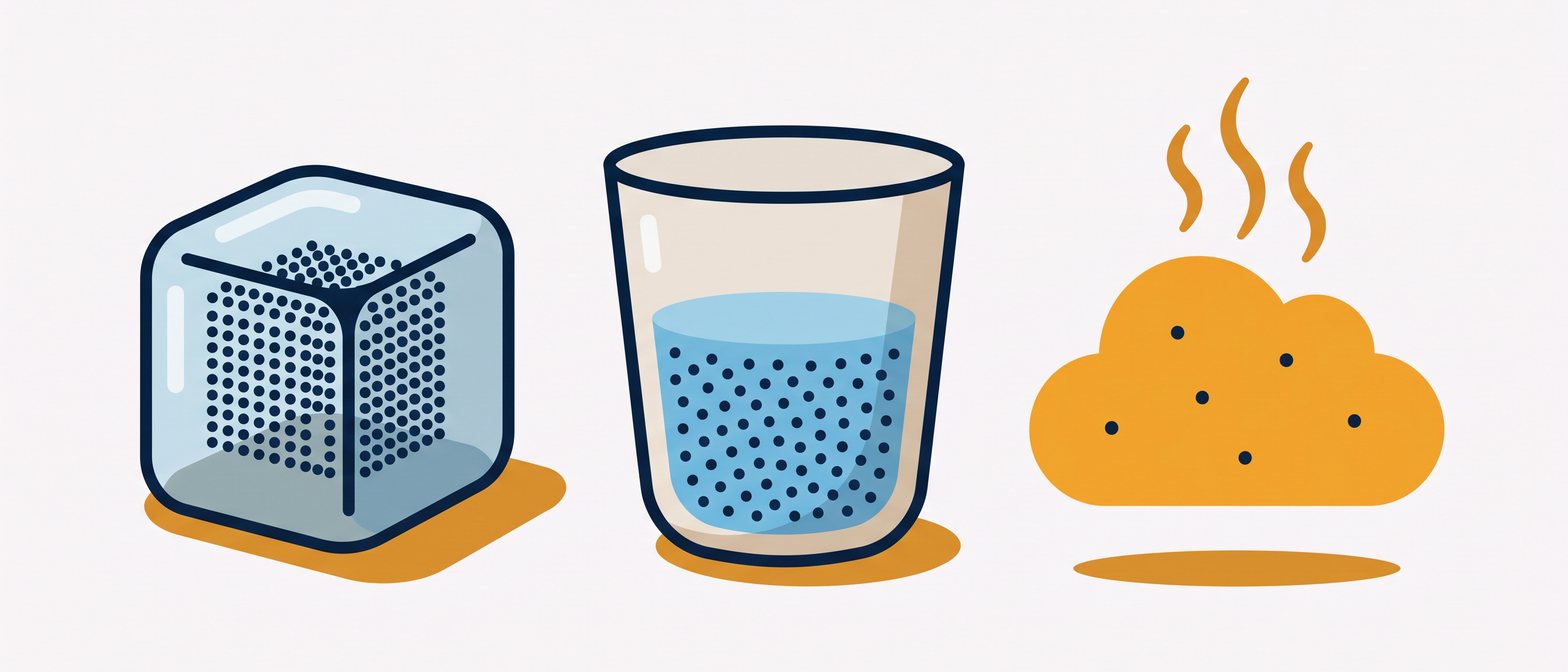
Matter and Its Three States
The observable properties of solids, liquids and gases, with an optional particle-model look-ahead and a guide to named state changes.
 Cycles
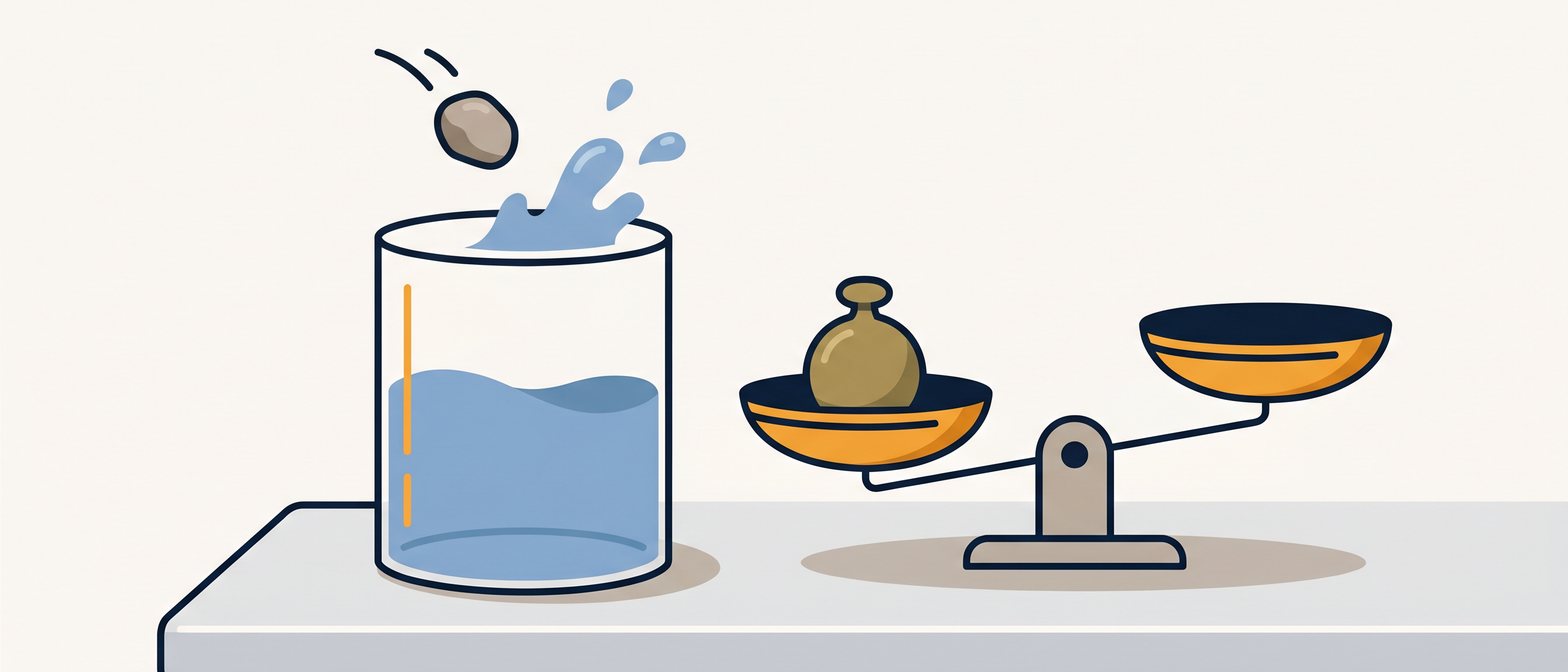
Measuring Mass and Volume
How to measure the mass of an object with a balance and the volume of an irregular object by water displacement, with the right units.
 Cycles
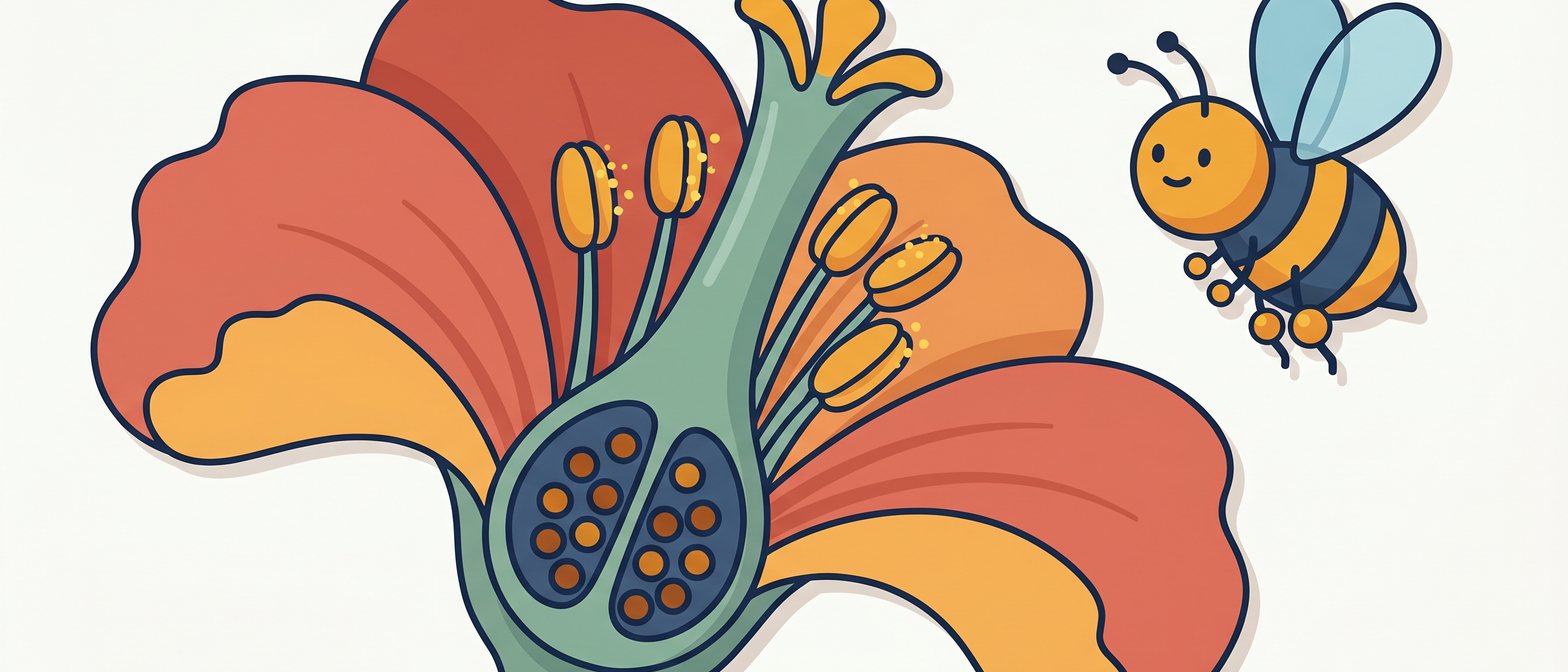
Reproduction in Plants
The parts of a flower, how pollination and fertilisation turn a flower into a fruit, and the ways seeds are dispersed to new places.
 Cycles
Reproduction in Humans
How a new human life begins at fertilisation, develops in the womb over nine months, and continues the human life cycle.
 Cycles
Passing Down Characteristics from Parents to Young
Which traits are inherited from parents and which are not, and why young resemble — but never exactly match — their parents.
 Cycles
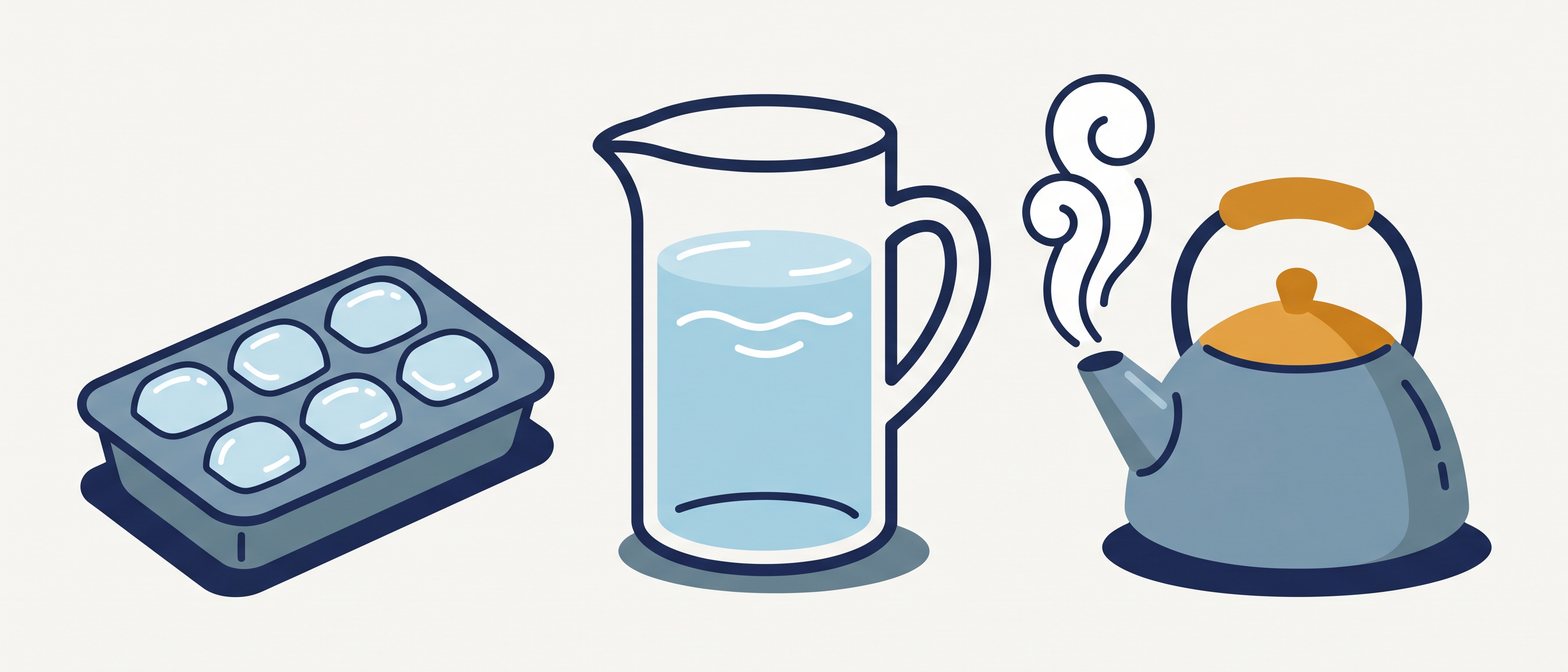
Water and Its States
How water changes between ice, liquid and vapour at fixed temperatures — melting at 0°C, boiling at 100°C — and how to read a heating or cooling graph.
 Cycles
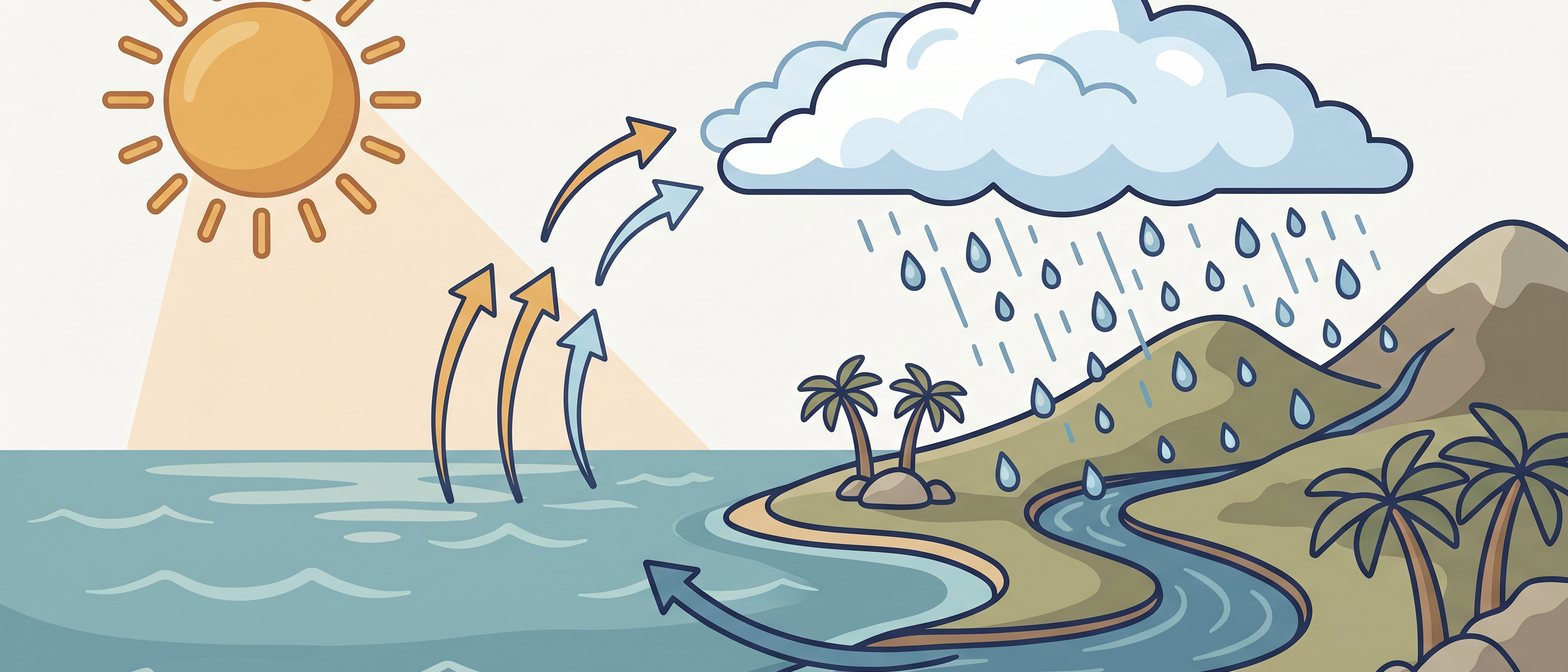
The Water Cycle
How water moves between the Earth and the sky through evaporation, condensation and precipitation, in a cycle that never stops.
 Cycles
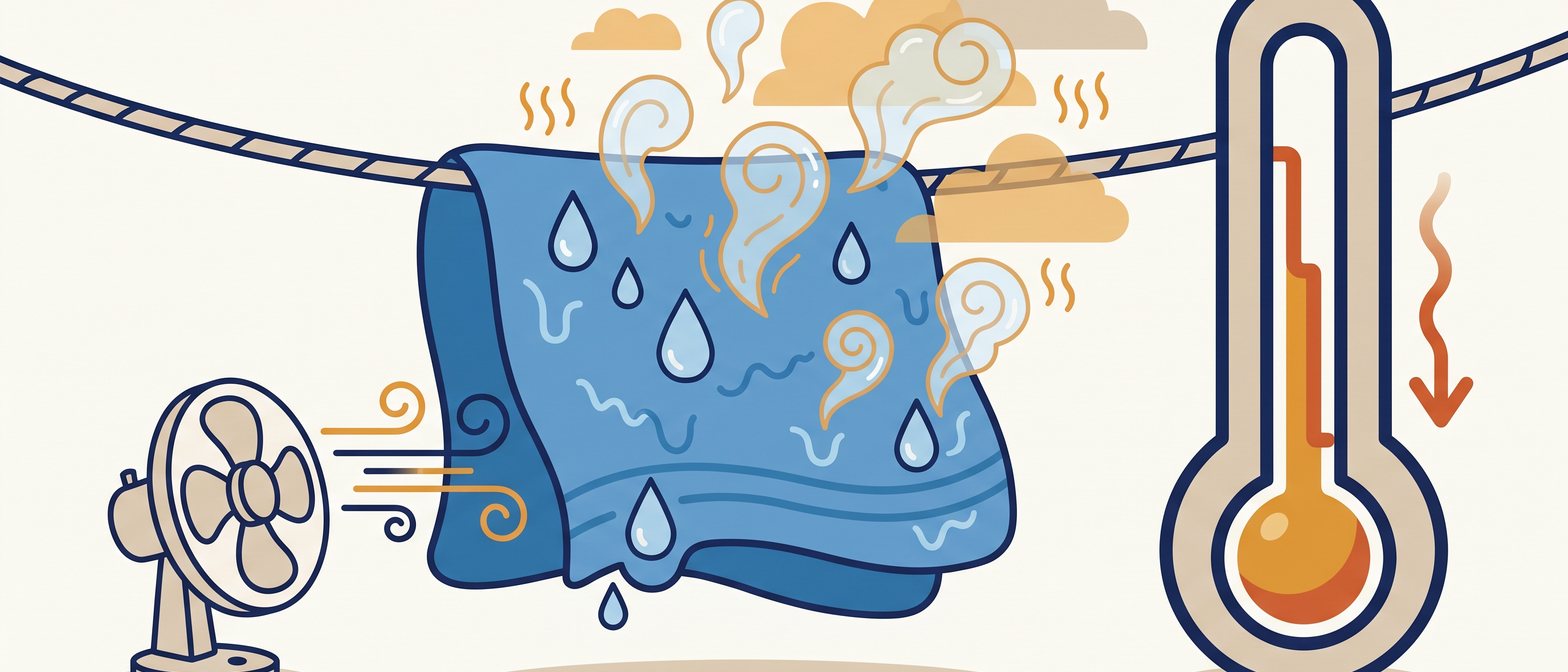
Cooling Effects of Evaporation
Why evaporation makes things feel cold, and the factors — heat, wind, surface area and humidity — that speed it up or slow it down.
 Cycles
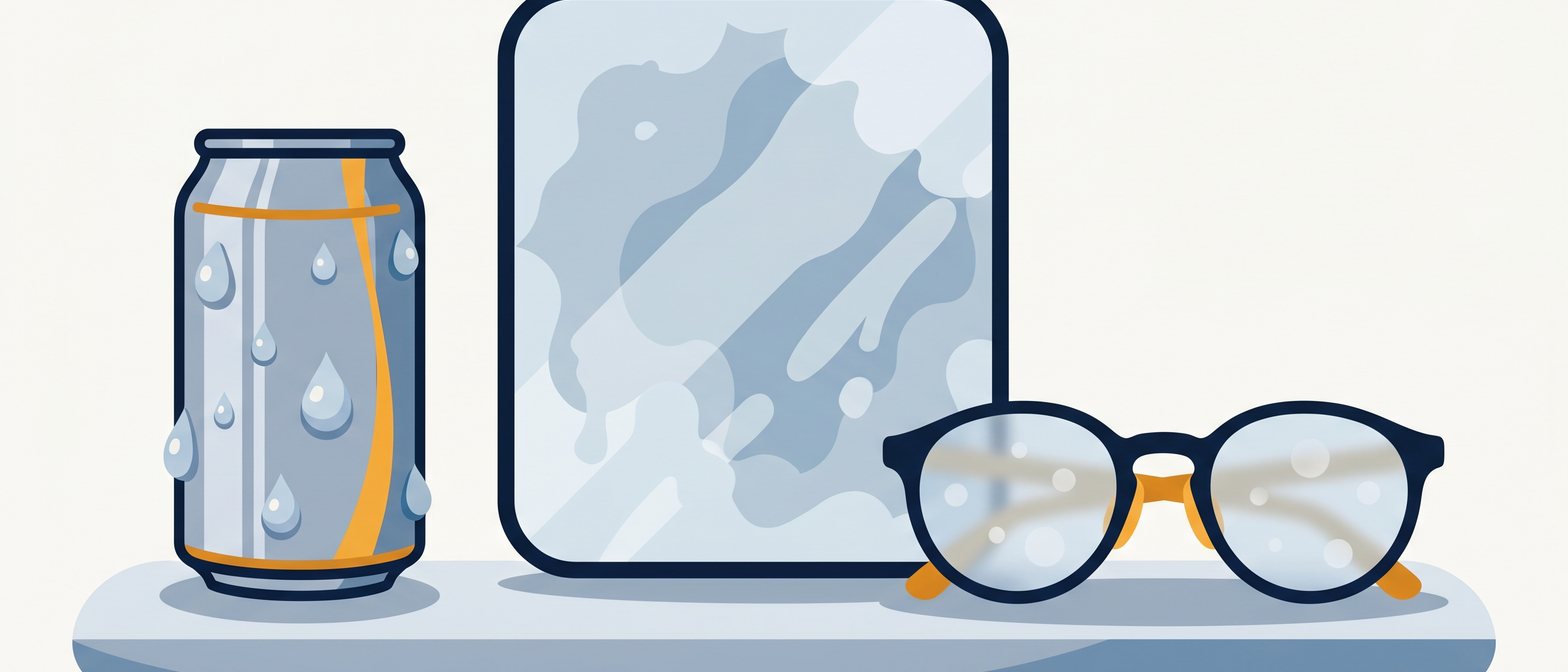
Examples of Condensation in Everyday Life
Why cold surfaces like a drink can or a mirror turn wet: water vapour in the air cooling into droplets, and where that water really comes from.
Systems
10 notes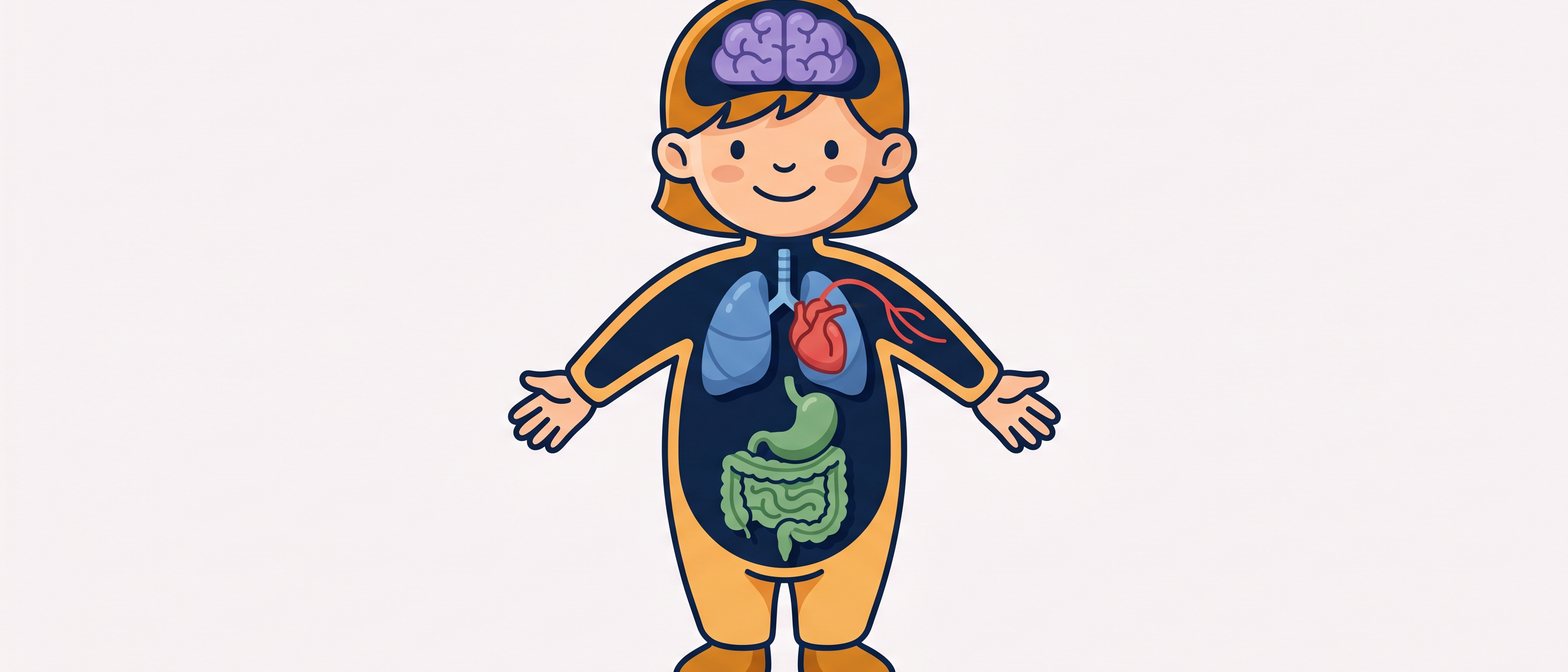 Systems
The Human Body Systems
How organs group into systems — digestive, respiratory, circulatory and more — and how those systems work together to keep the body running.
 Systems
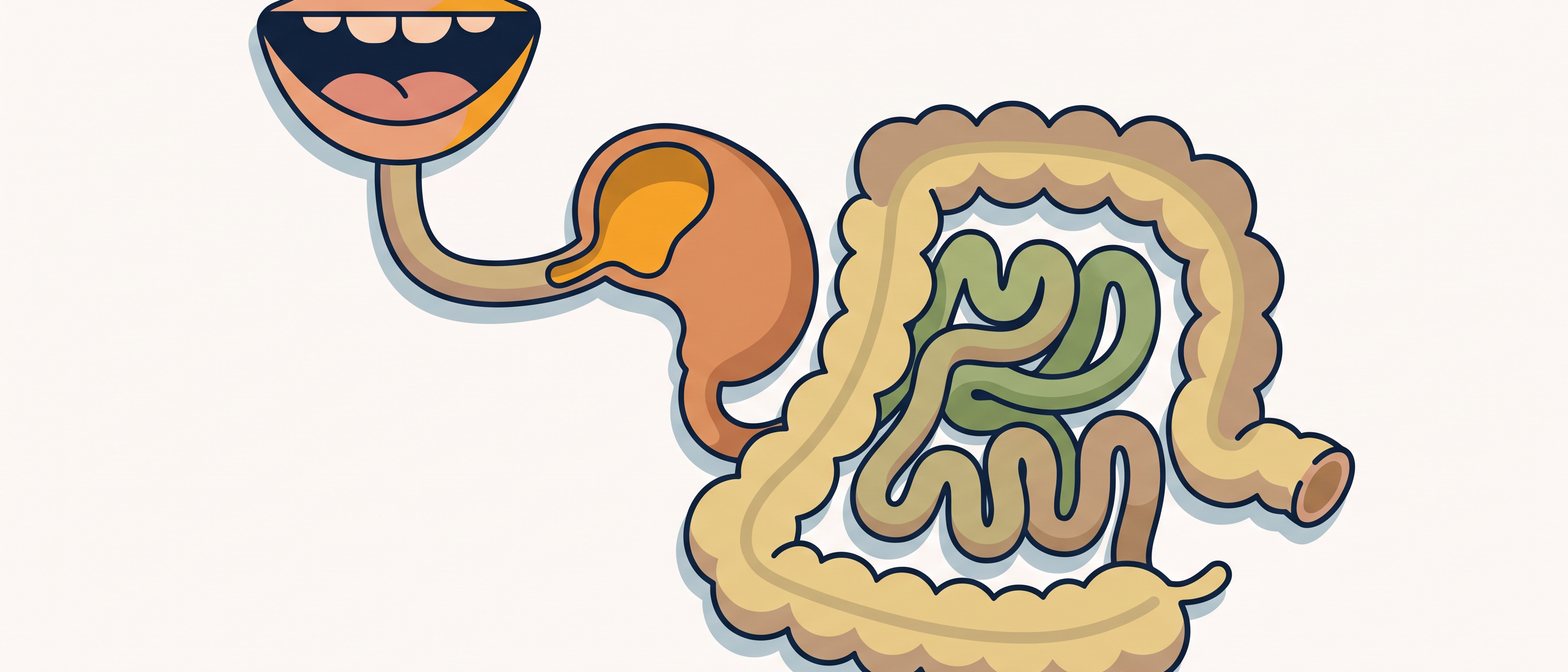
Human Digestive System
The journey food takes from mouth to large intestine, where it is broken down, and where digested food and water are absorbed.
 Systems
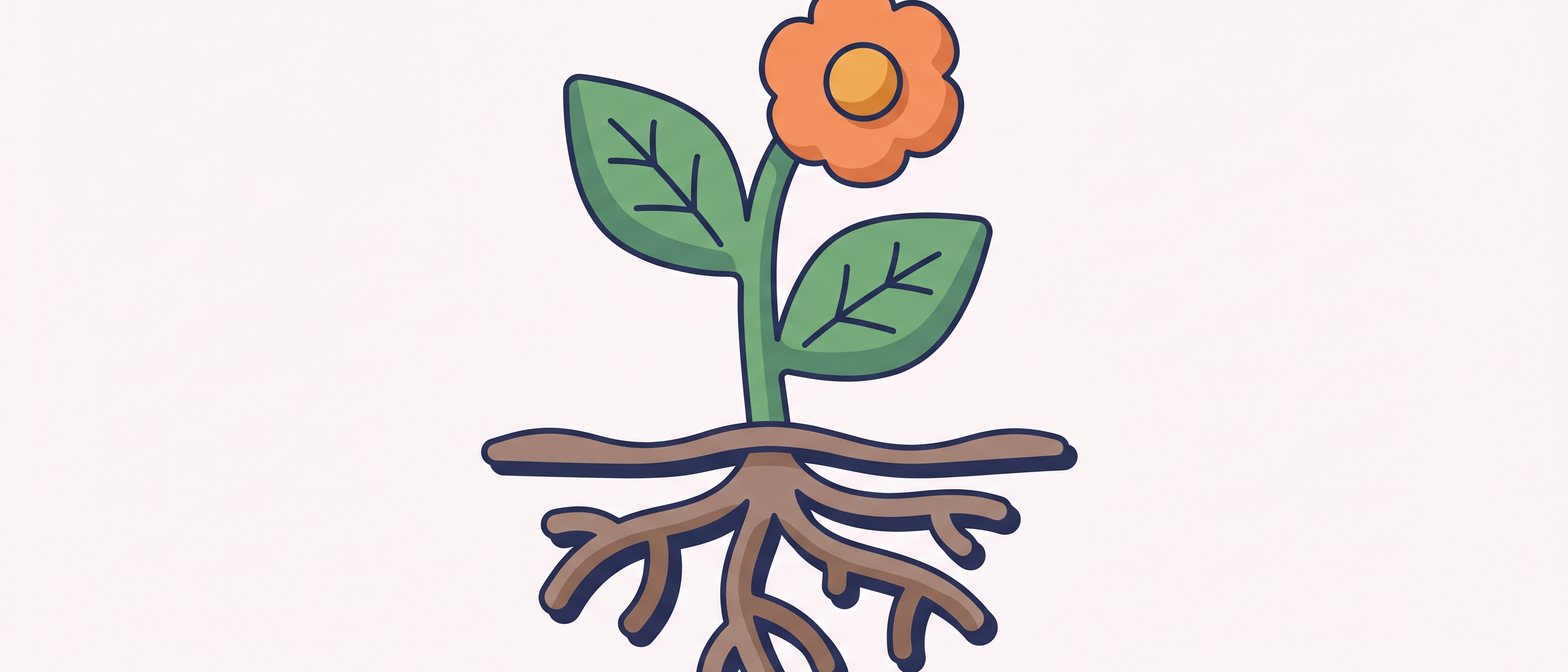
Plant System
The four main parts of a plant — roots, stem, leaves and flowers — and the job each one does for the whole plant.
 Systems
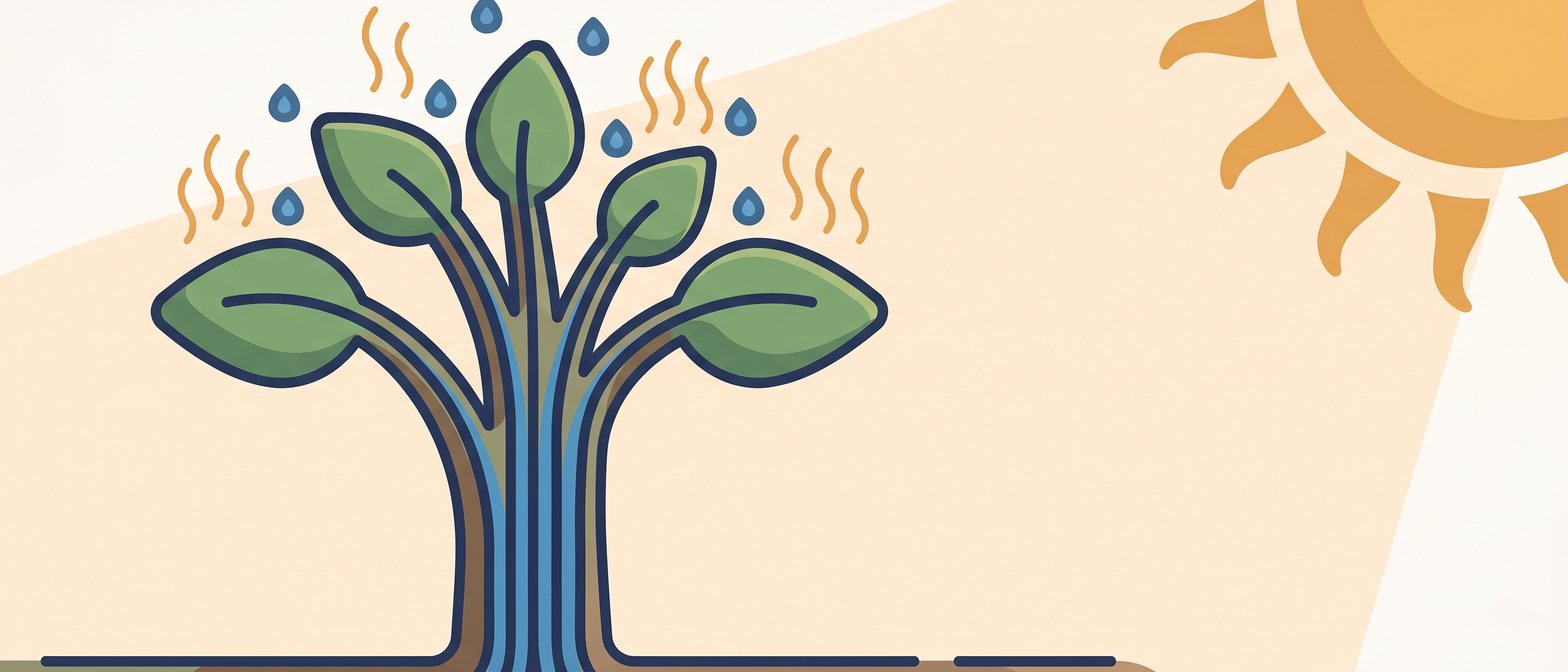
Plant Transport System
How water travels from the roots up the stem to the leaves, and how transpiration pulls more water up as it evaporates.
 Systems
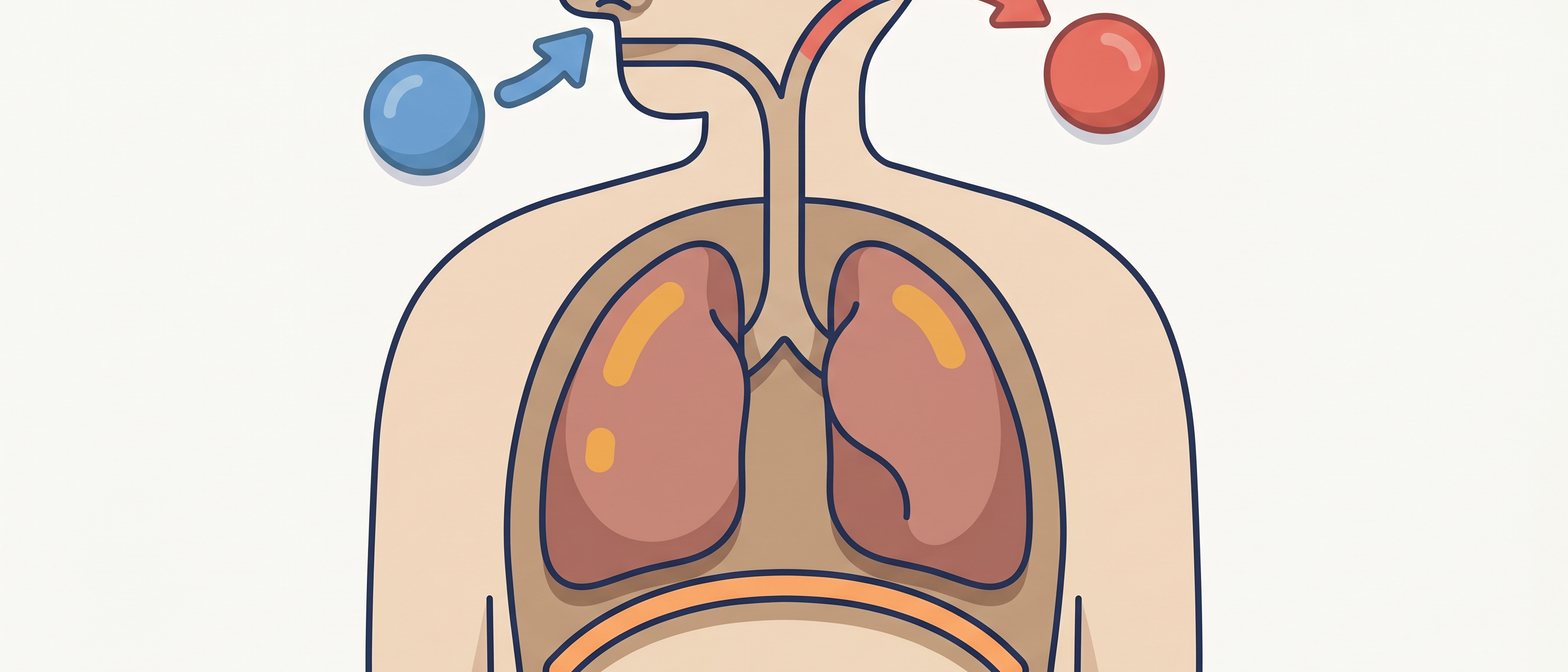
Human Respiratory System
How the nose, windpipe and lungs work together to bring oxygen into the blood and push carbon dioxide out, breath by breath.
 Systems
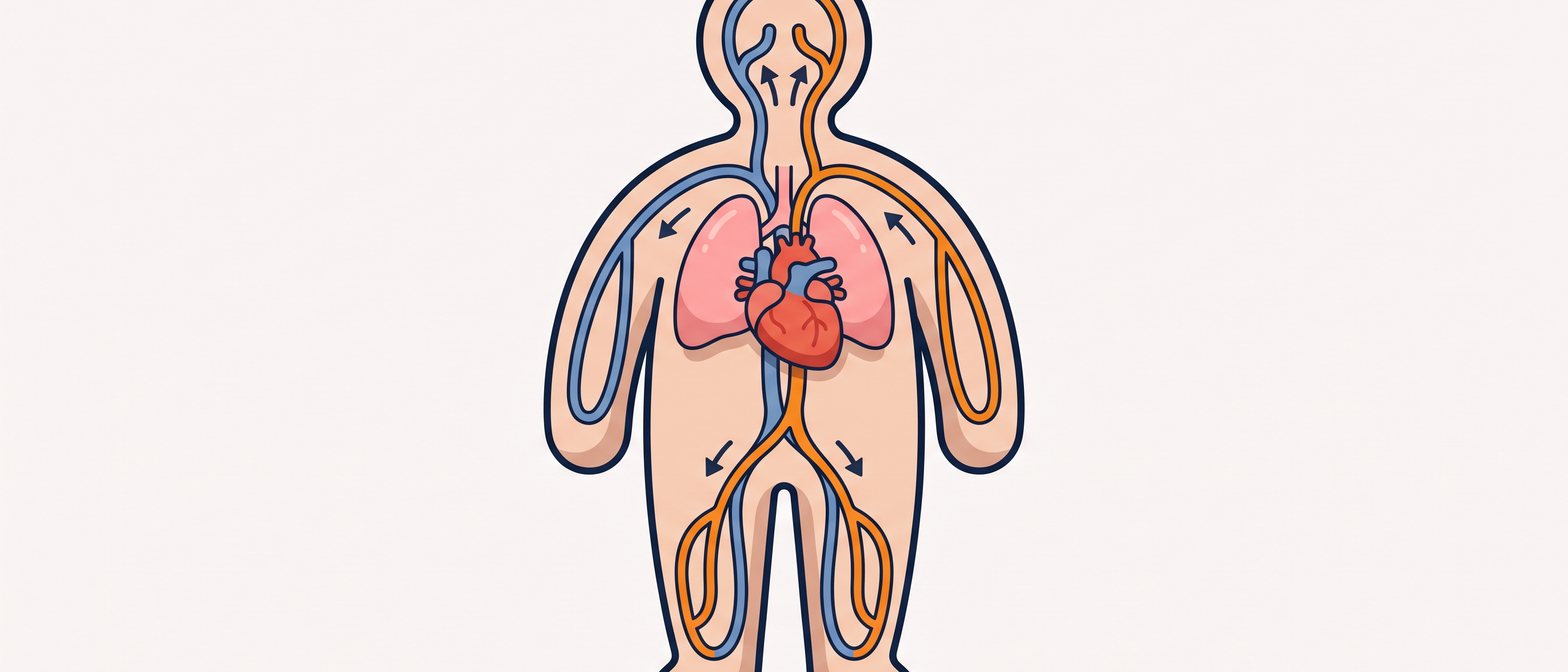
Human Circulatory System
How the heart pumps blood in a loop through the lungs and body, and what the blood carries to and from every cell.
 Systems
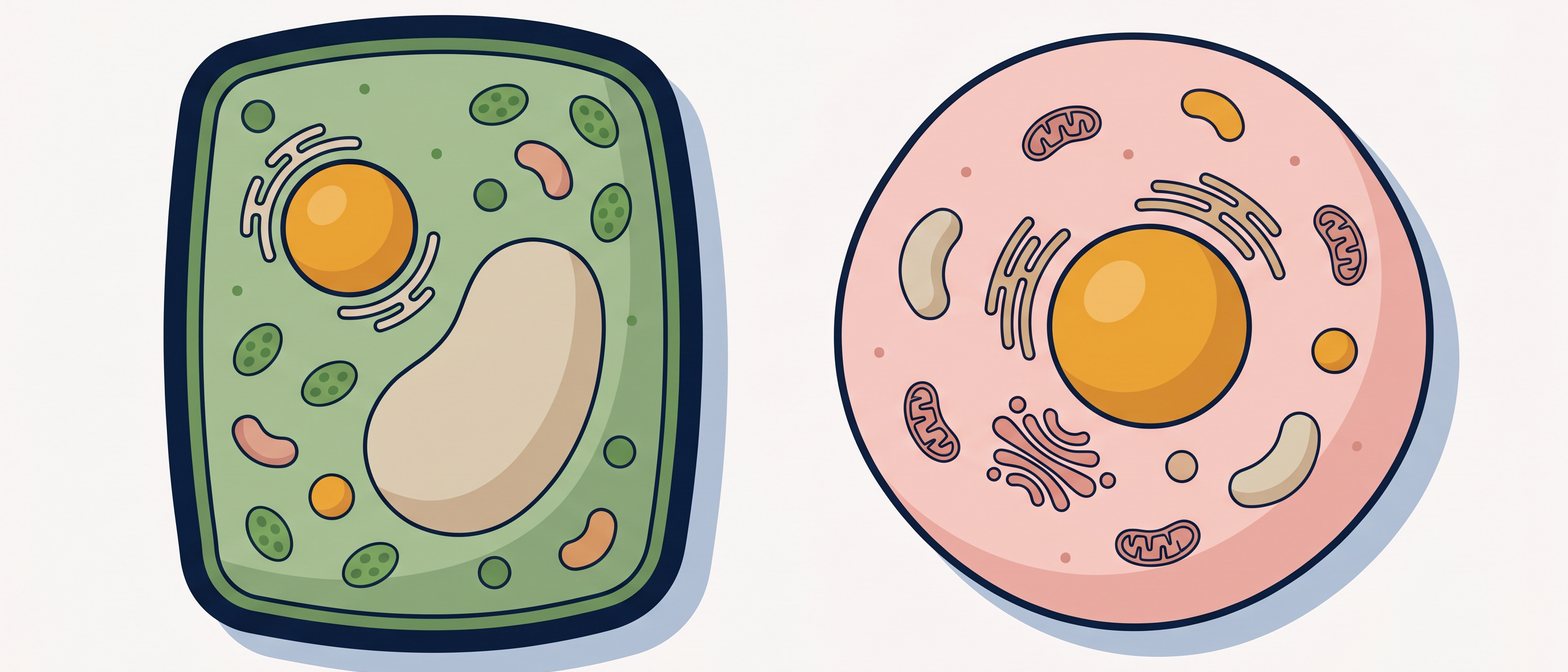
Cell System
The microscopic building blocks of every living thing, how plant and animal cells differ, and the job each cell part does.
 Systems
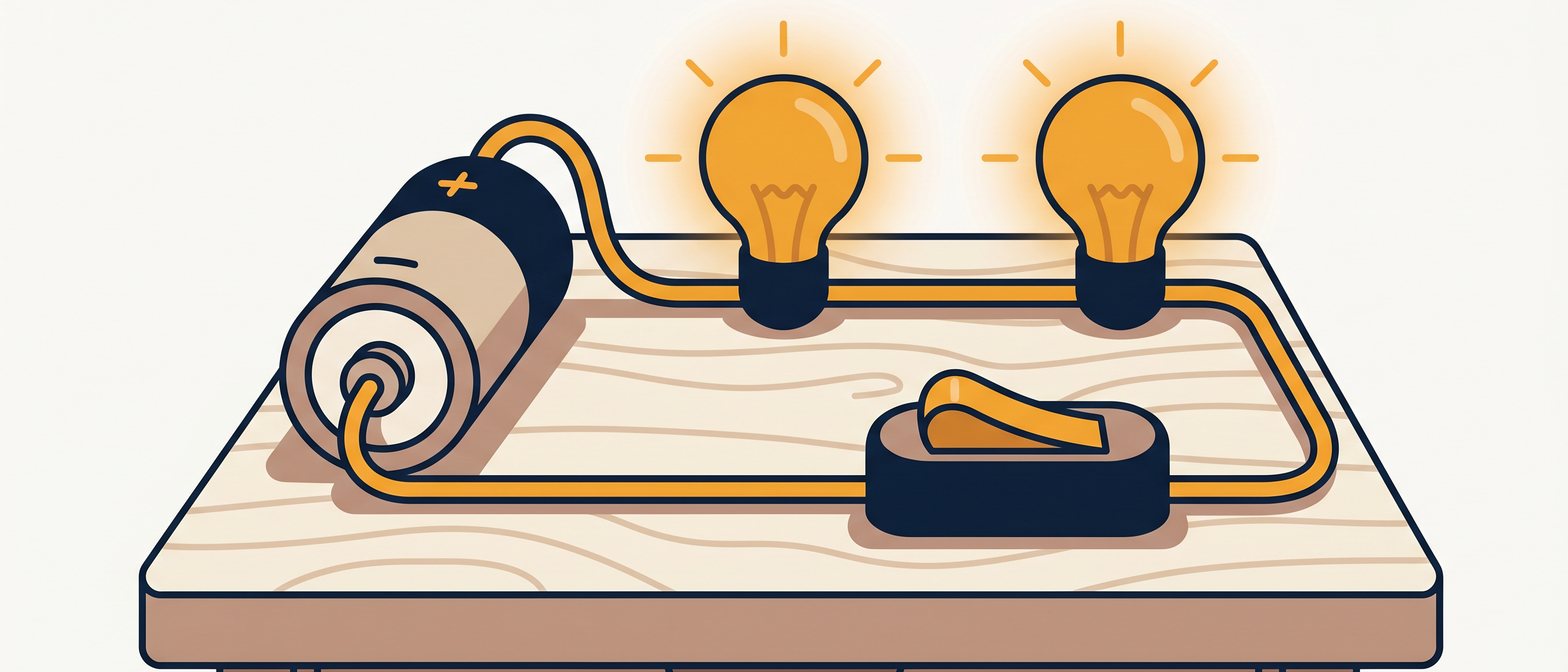
The Electrical System
What an electric circuit needs to work, how a switch opens and closes it, and why bulbs behave differently in series and parallel.
 Systems
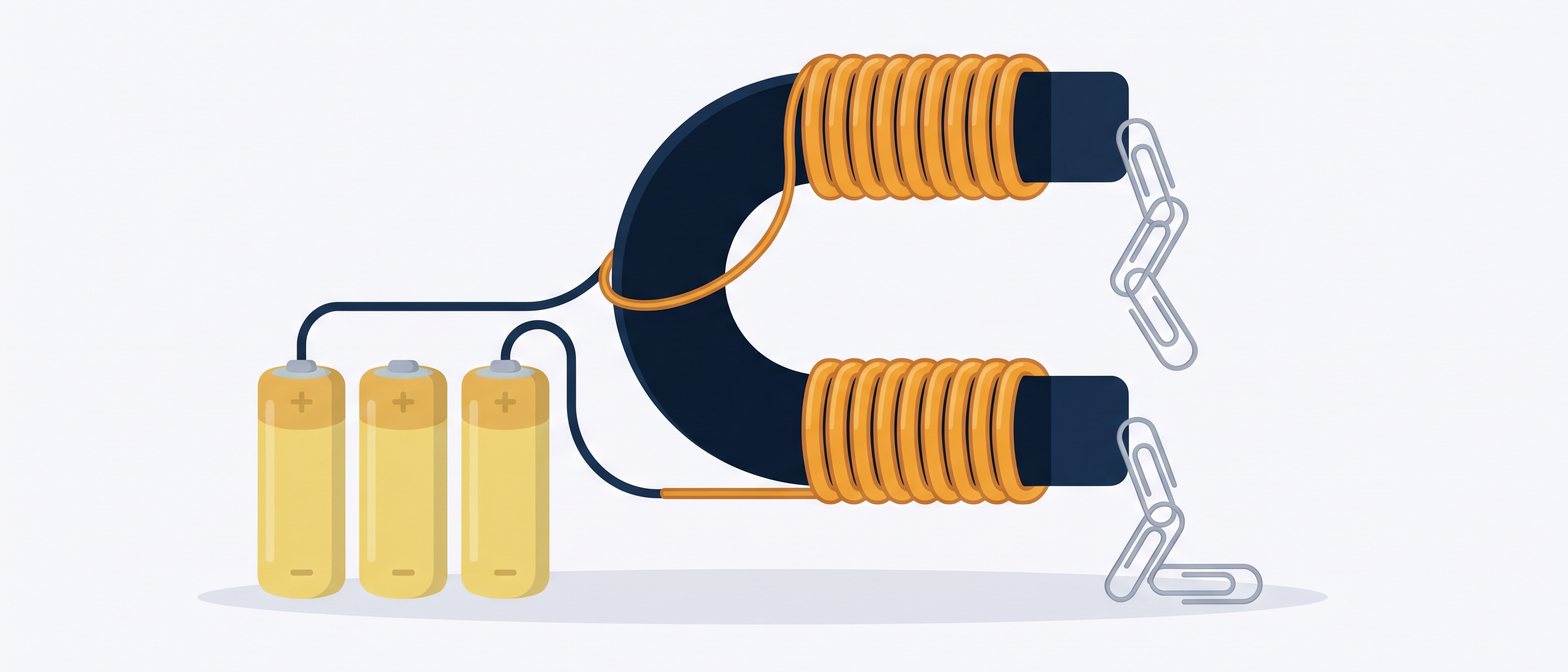
Electromagnets
How a coil of wire around an iron core becomes a magnet you can switch on and off, and what makes it stronger or weaker.
 Systems
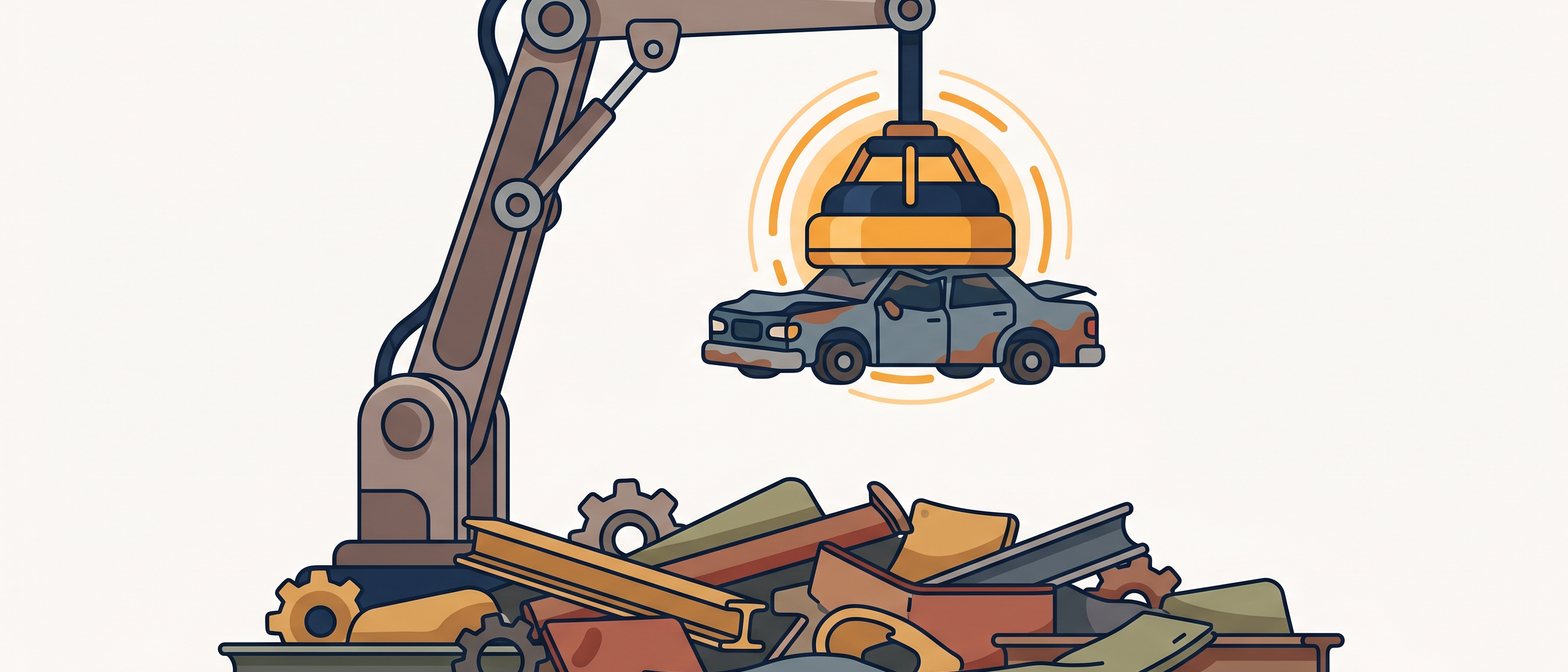
Uses of Electromagnets in Everyday Life
Where electromagnets are used in everyday life — from scrapyard cranes to electric bells — and why a magnet you can switch on and off is so useful.
Interactions
8 notes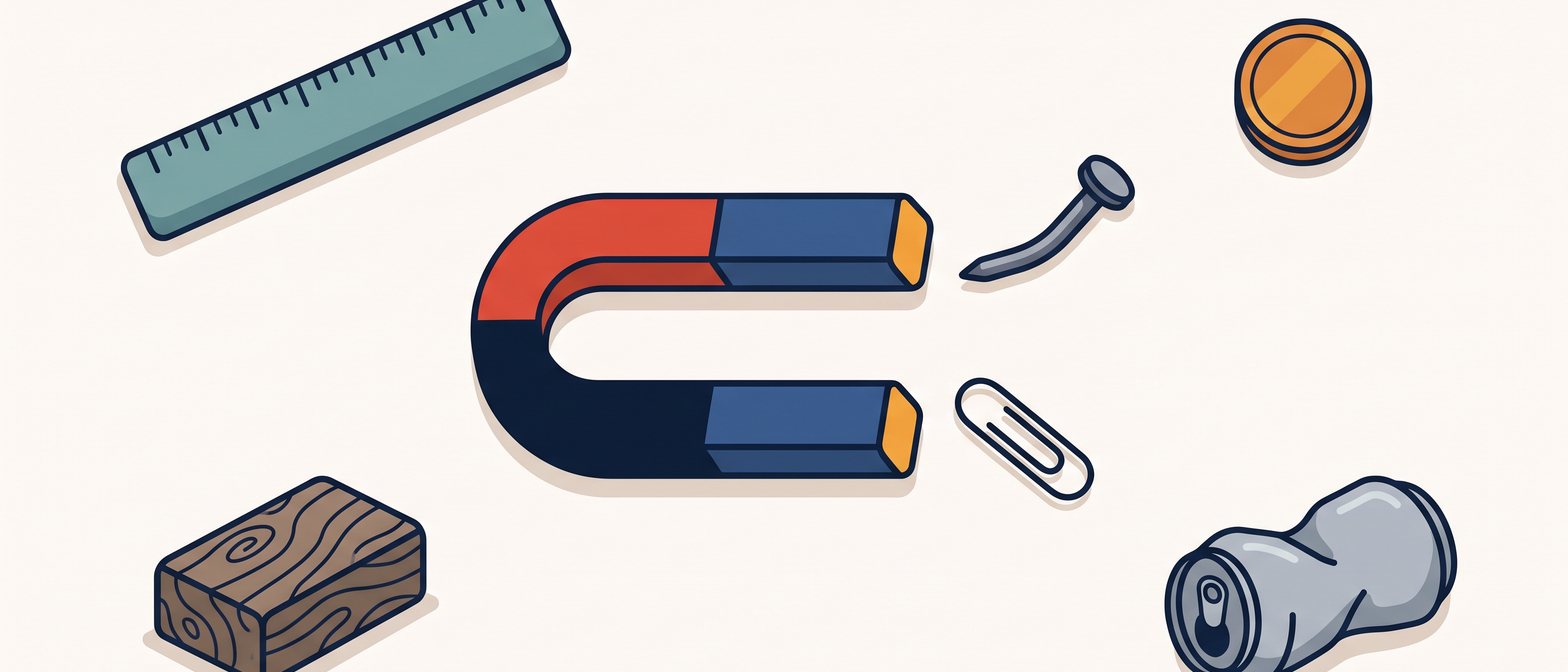 Interactions
Magnets
Which materials a magnet attracts, why every magnet has a north and south pole, and how like poles repel while unlike poles attract.
 Interactions
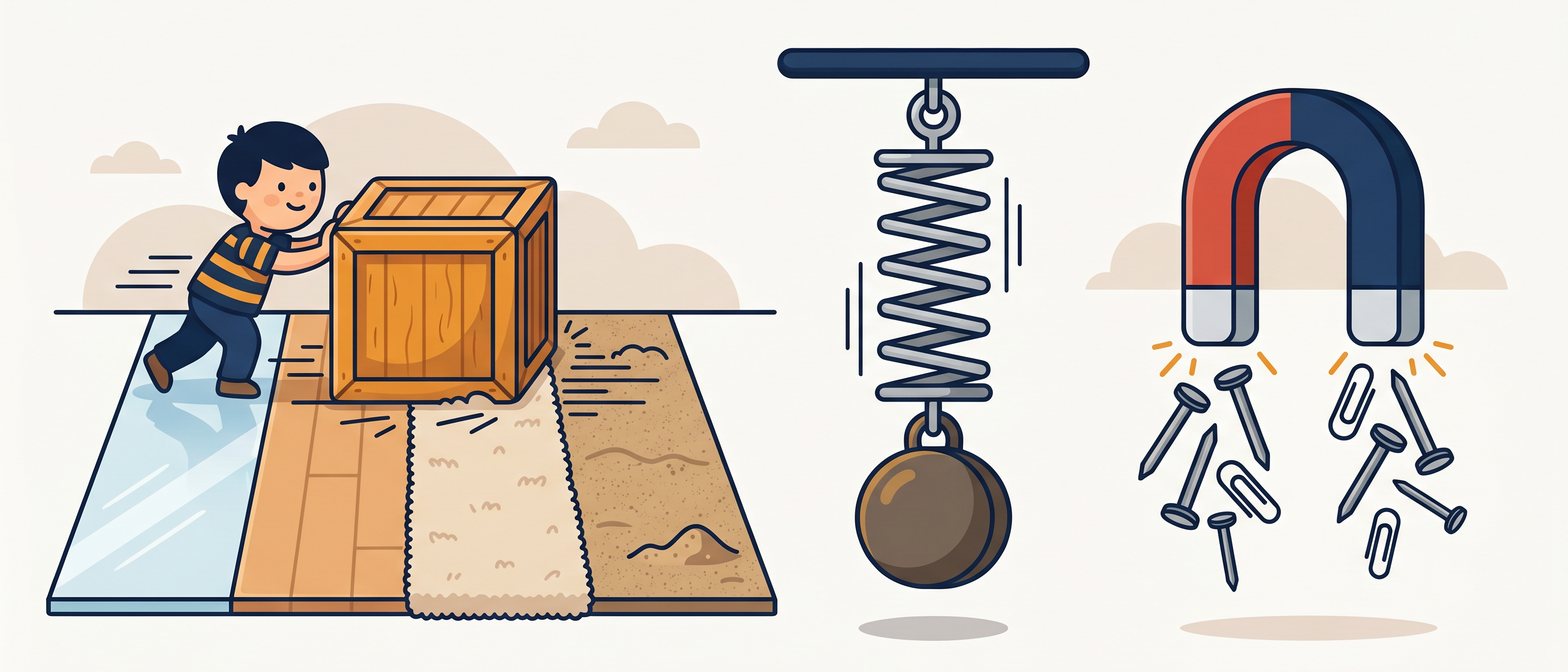
Forces
What a force is, and the everyday pushes and pulls — friction, gravity, elastic and magnetic — that start, stop and reshape moving things.
 Interactions
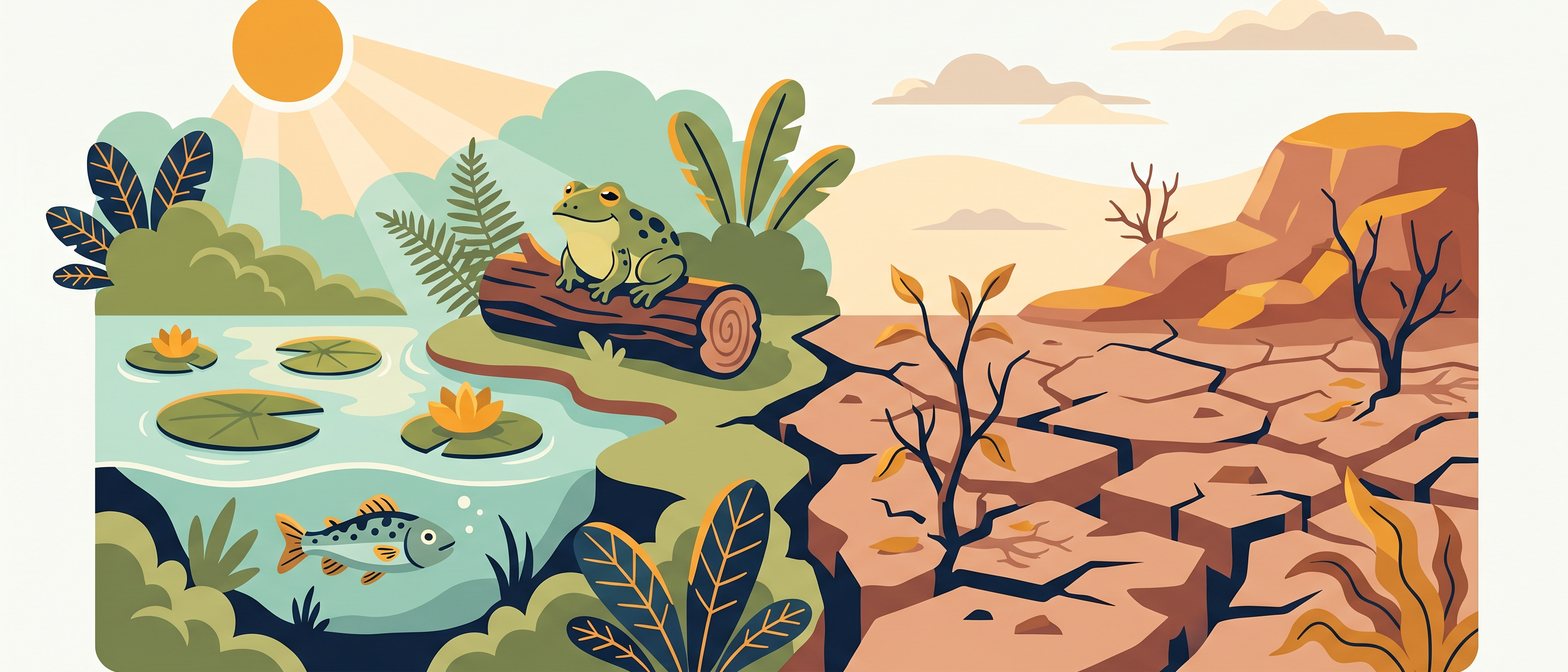
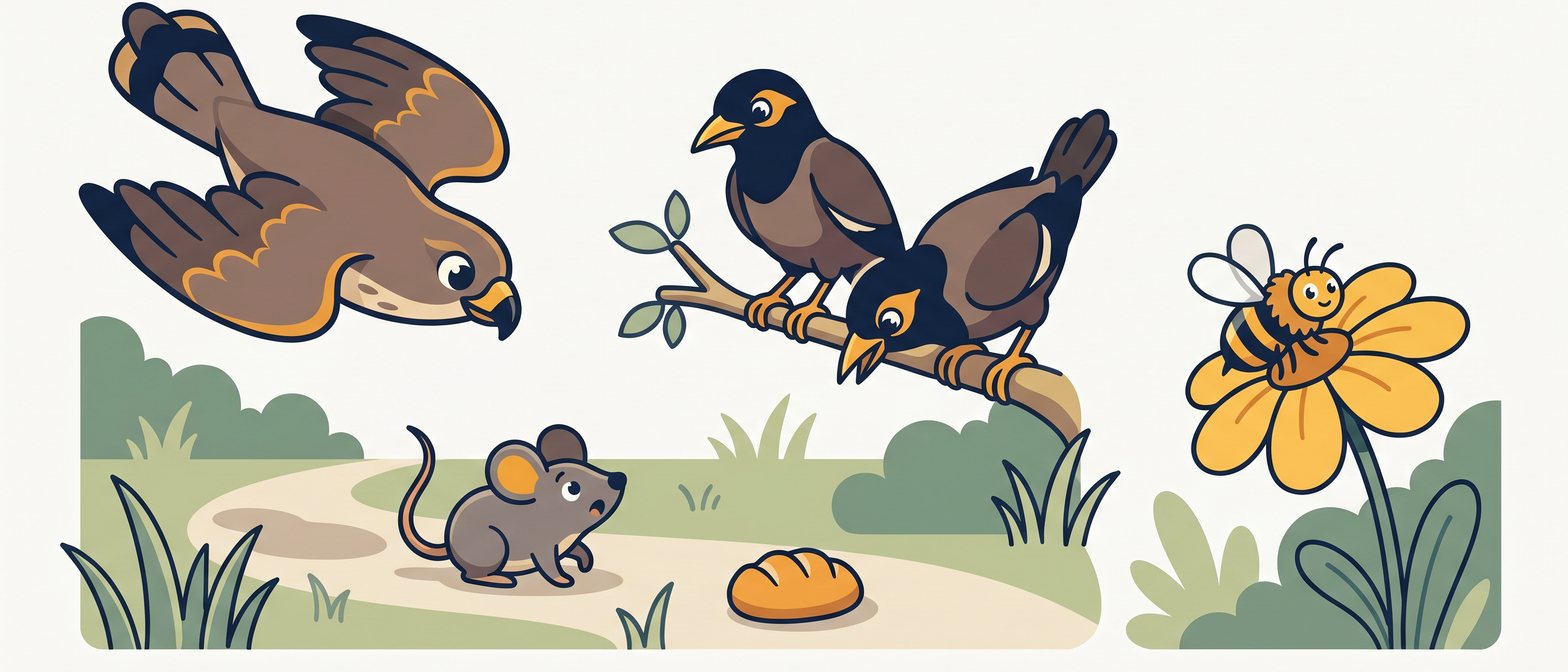
The Environment
How living (biotic) and non-living (abiotic) factors like light, water and temperature shape a habitat and the organisms that can live there.
 Interactions
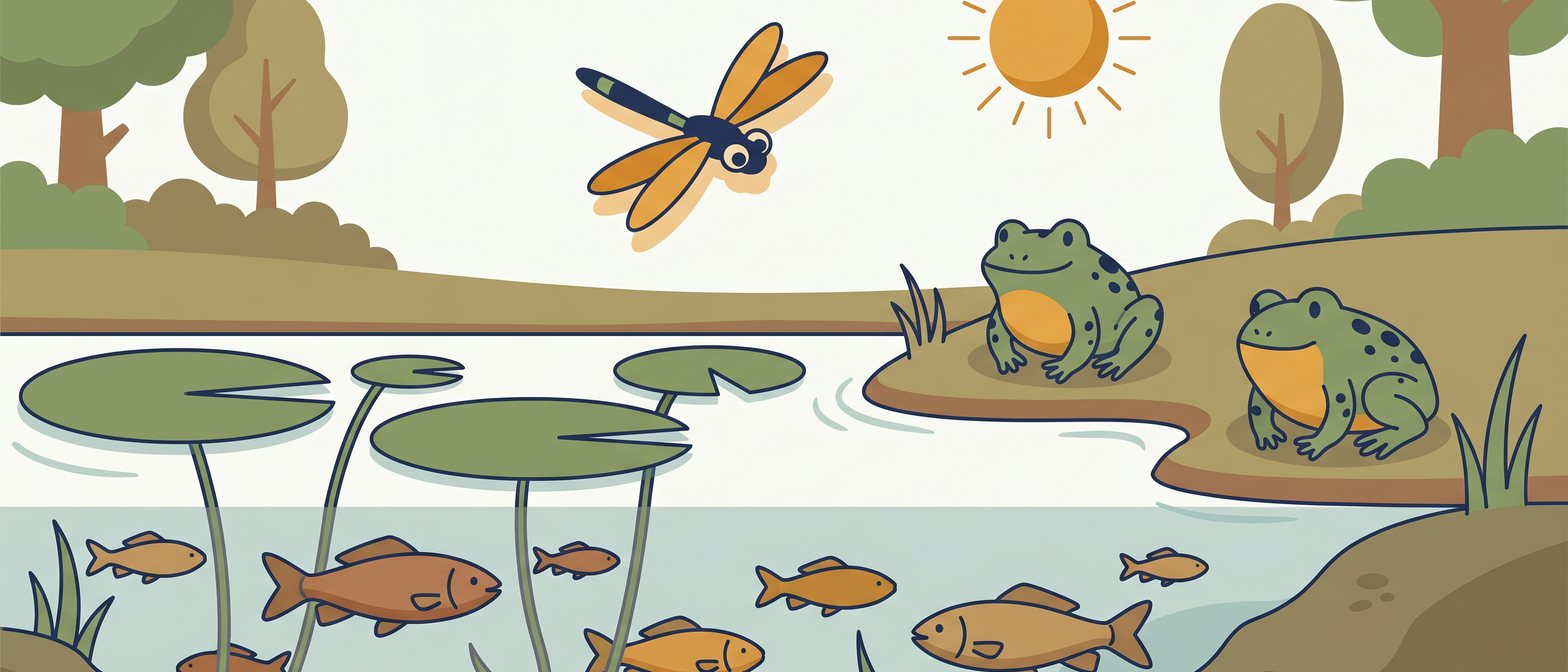
Living Together
The different ways organisms affect one another — predator and prey, competition for resources, and cooperation.
 Interactions
What is a Community?
The difference between three keywords students often mix up — habitat, population and community — and how they fit together.
 Interactions
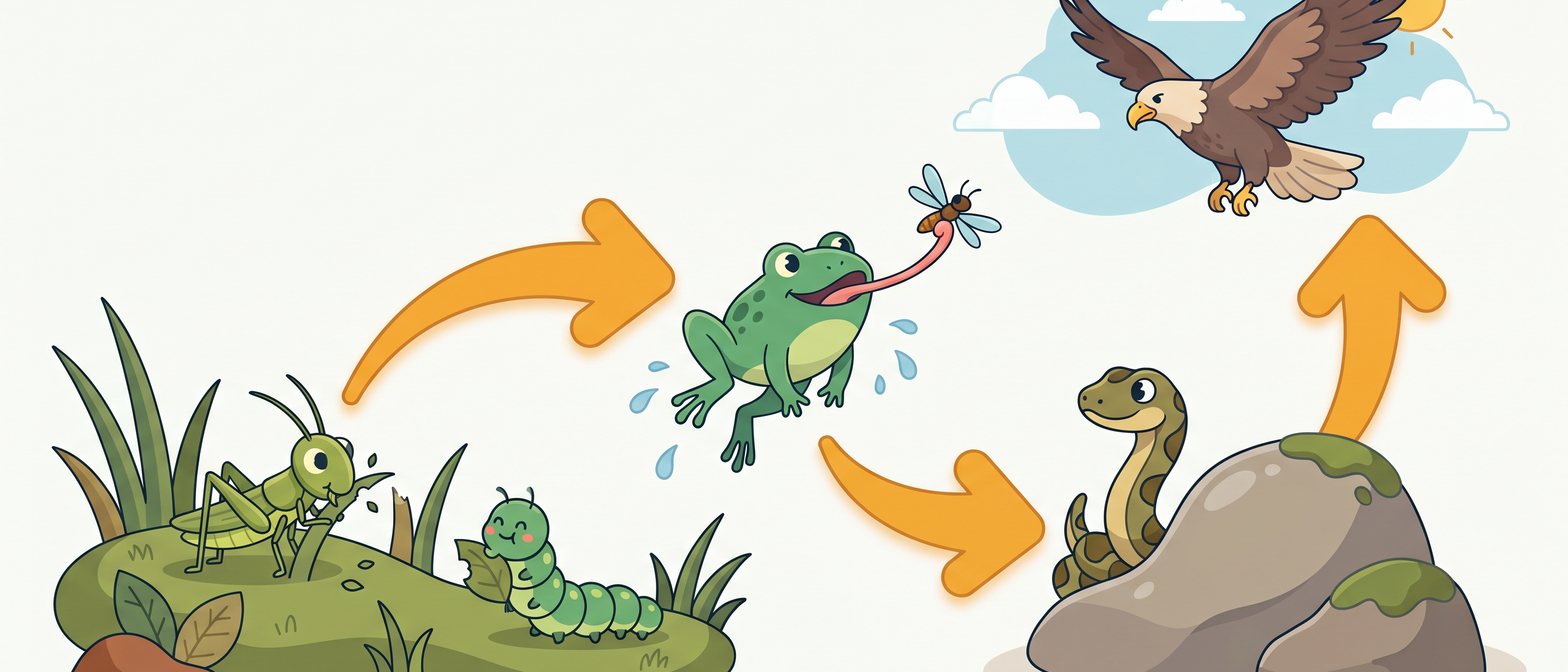
Food Chains and Food Webs
How energy passes from producers to consumers along a food chain, and how linked chains form a web where every organism depends on the others.
 Interactions
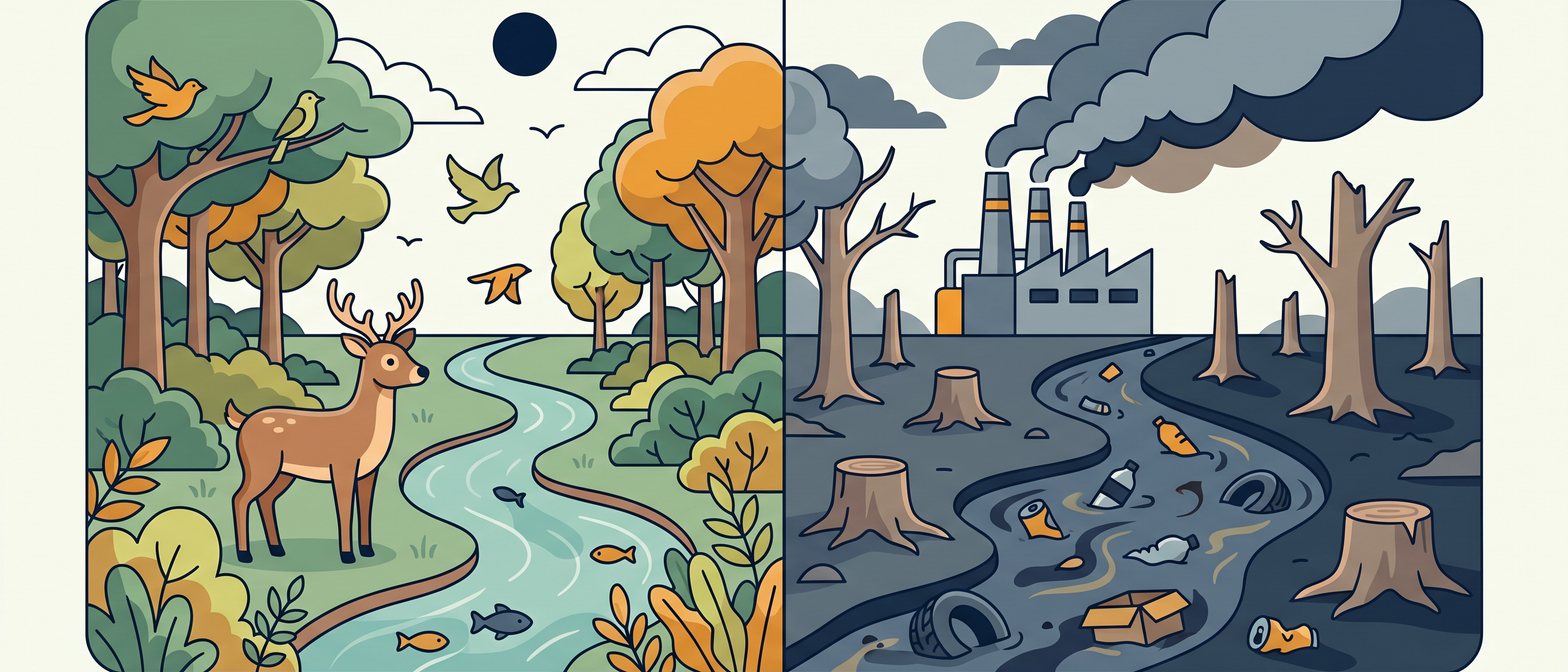
Man's Impact on the Environment
How human actions harm the environment through pollution, deforestation and over-hunting — and the conservation actions that help protect it.
 Interactions
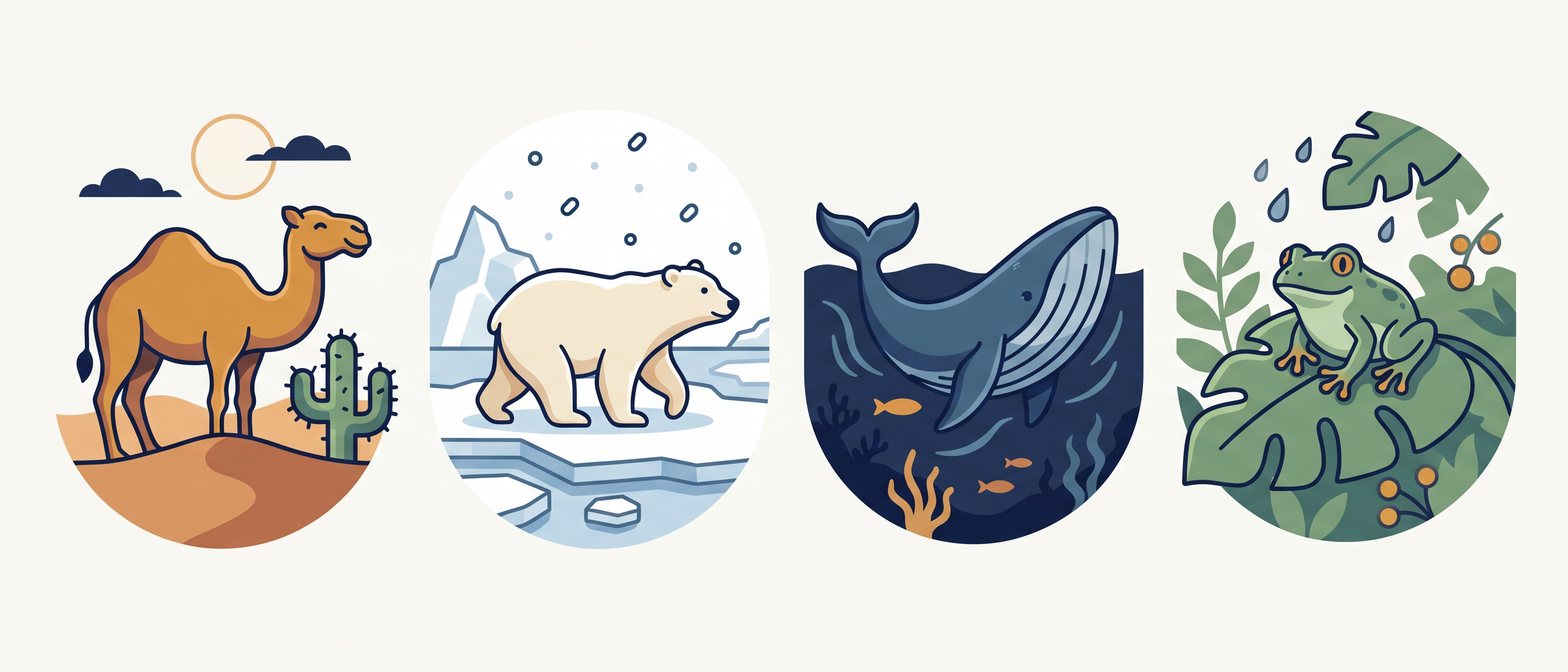
Adaptations
The special features and behaviours — from a camel's humps to a cactus's waxy skin — that help animals and plants survive in their particular habitat.
Energy
6 notes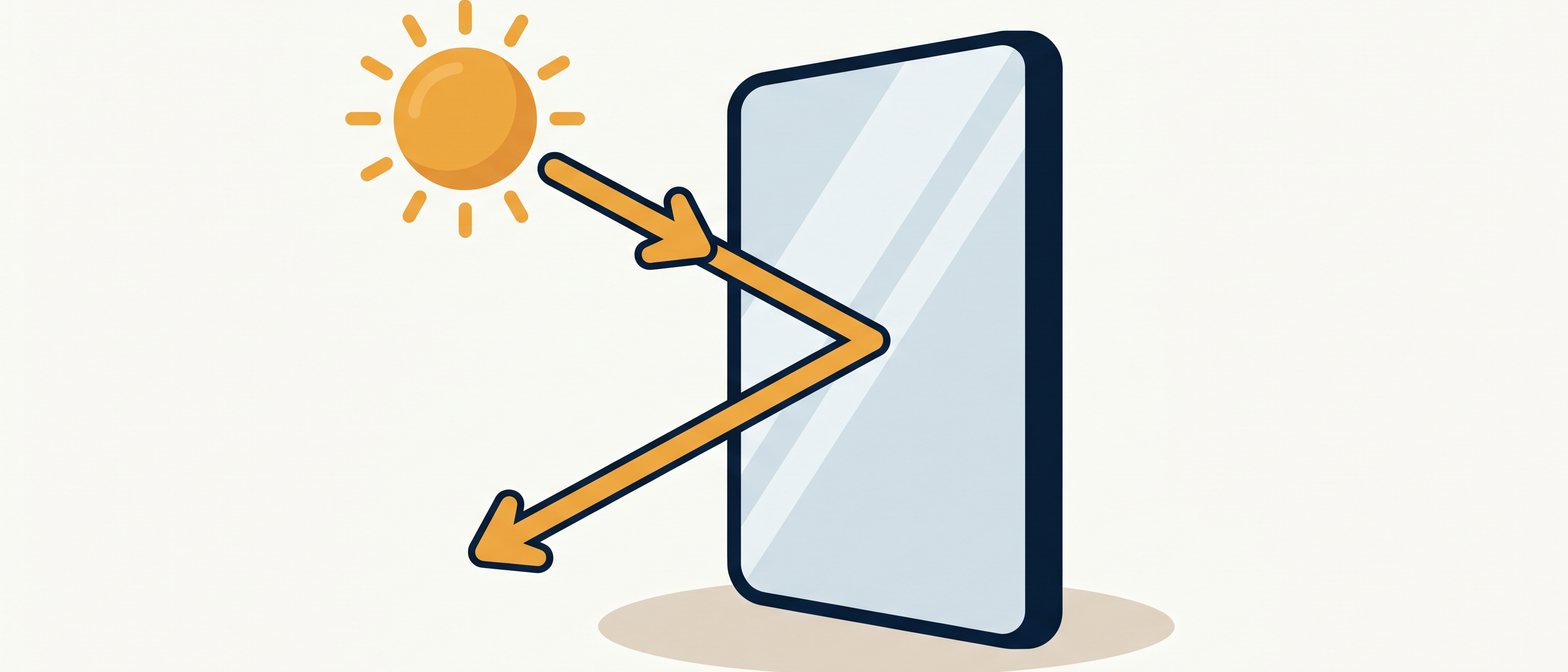 Energy
Light Energy
How light travels in straight lines from a source, reflects off surfaces so we can see objects, and forms shadows when something blocks its path.
 Energy
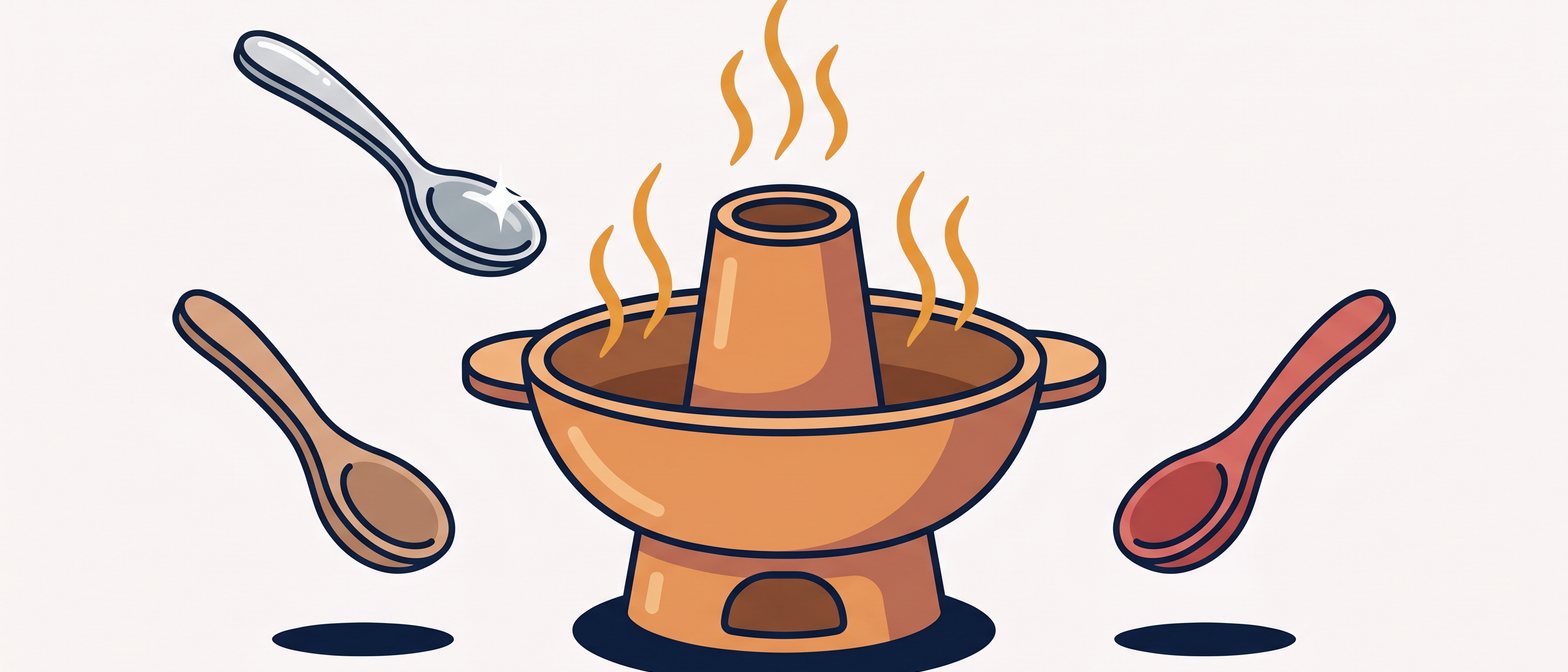
Heat Energy
How heat flows from hotter to colder objects, why metals conduct heat while wood and plastic insulate, and how heating and cooling make matter expand and contract.
 Energy
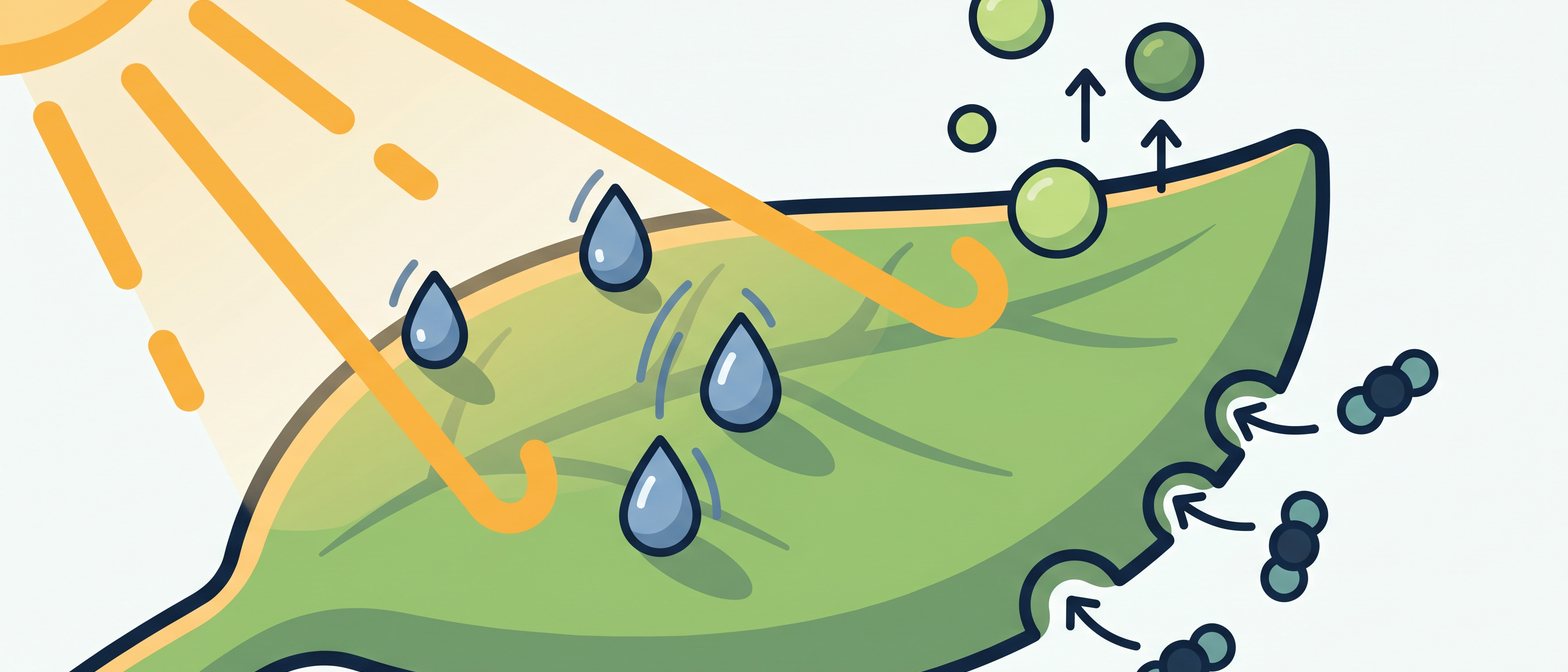
Photosynthesis
How green plants make their own food using light, water and carbon dioxide, how chlorophyll helps leaves capture light, and what the process produces.
 Energy
Respiration
How every living cell releases energy from food day and night, and how respiration differs from breathing and photosynthesis.
 Energy
Energy Sources
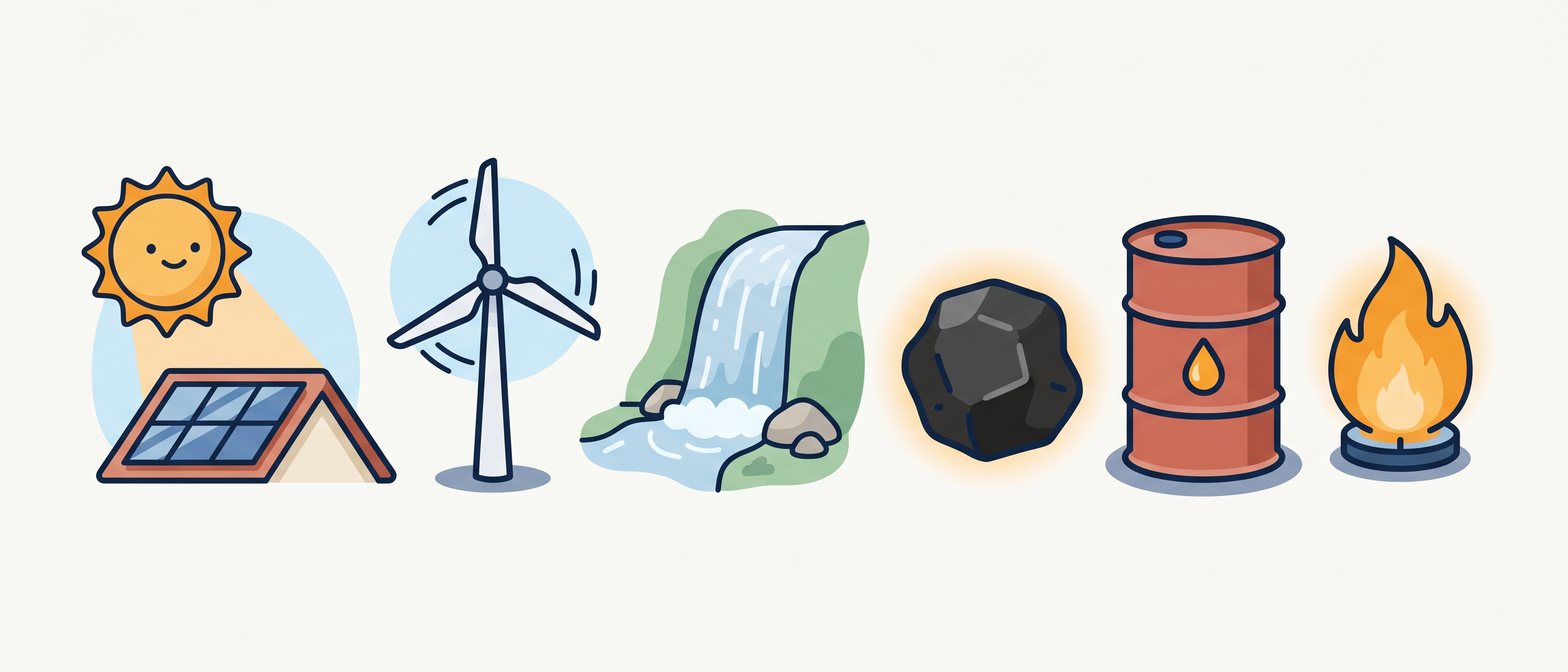
Where our energy comes from — the Sun, naturally replenished sources, and non-renewable fossil fuels that take millions of years to form.
 Energy
The Forms and Conversion of Energy
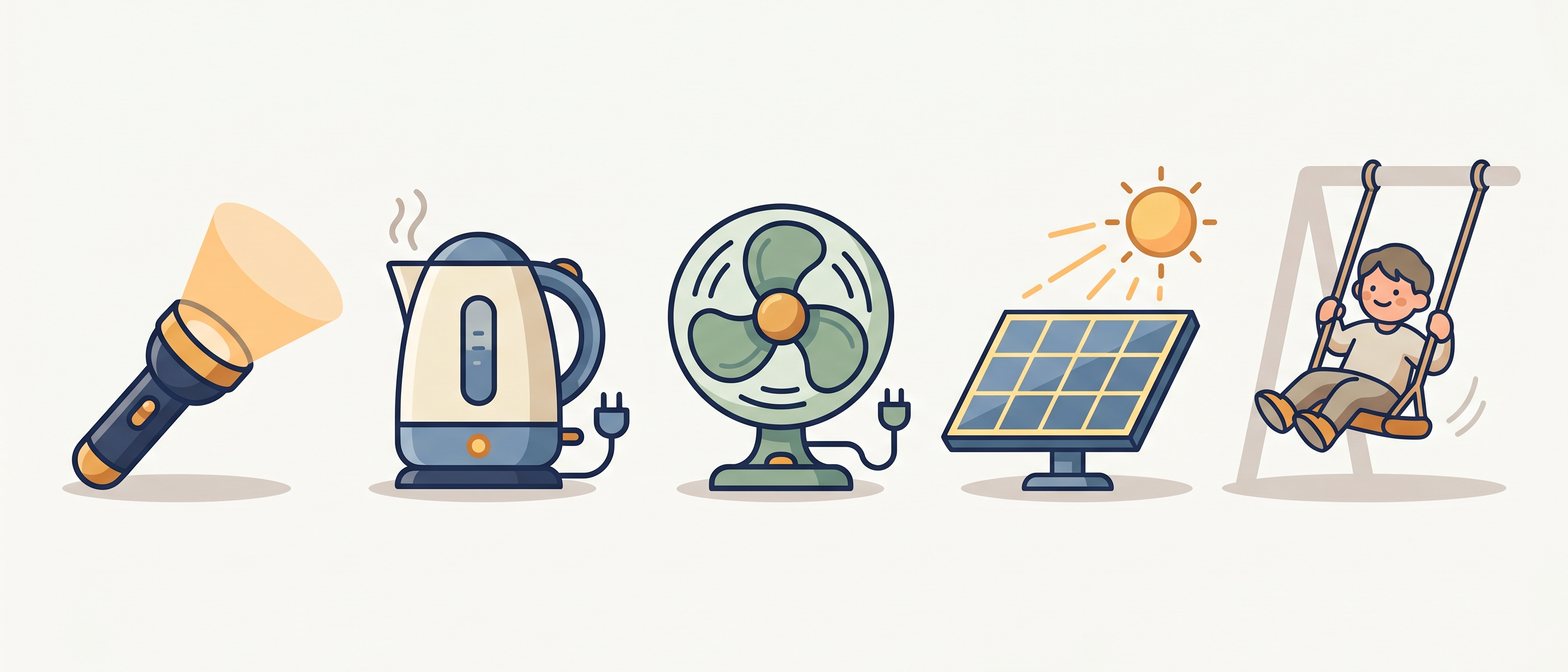
The six P6 forms of energy — light, heat, sound, electrical, kinetic and potential — and how everyday devices convert one into another.